A practical North American guide to property management call routing, including tenant, owner, leasing, vendor, and emergency workflows, AI answering rules, PMS handoffs, and ROI math.
Property management call routing is the operating system behind a calm front office. It decides whether a tenant, owner, leasing prospect, vendor, or emergency caller gets an answer, a work order, a booked tour, a callback, or an immediate escalation.
For property managers, the phone problem is rarely just call volume. It is call variety. A resident with no heat, an owner asking about distributions, a prospect asking about pets, and a vendor needing access instructions may all call the same number within five minutes.
A property management call routing system helps your team answer those calls consistently without forcing every caller through voicemail, a phone tree, or the wrong staff member.
You will learn how property management call routing should work across tenant, owner, leasing, vendor, and emergency calls; which rules belong in an AI receptionist, PMS, CRM, or human handoff; how to score your current phone workflow; how to model missed-call and misrouted-call impact; and how to launch AI call routing without weakening Fair Housing, privacy, or maintenance controls.
Property management call routing is the process of identifying who is calling, why they are calling, which property or unit they mean, how urgent the request is, and where the call data should go next.
A basic setup forwards calls to a desk, voicemail, or on-call phone. A stronger setup classifies the call first, then sends each caller into the right workflow. A leasing prospect gets availability answers and a tour-booking path. A tenant maintenance call gets unit, issue, access, photo, and urgency intake. A true emergency reaches an on-call manager or approved vendor. A property owner gets routed to the assigned manager with portfolio context. A vendor gets property, work order, access, and callback instructions.
If your team is still sorting every call manually, start with TalkLuna's broader guide to an AI receptionist for property management, then use this article to design the routing layer.
Property managers struggle with call routing because one phone number often serves several audiences with different risk levels. The same office line may handle leasing demand, resident questions, maintenance intake, owner updates, vendor coordination, rent questions, lease questions, lockouts, complaints, and emergencies.
The operational risk is not only a missed call. It is a misclassified call. A burst pipe treated like a routine maintenance ticket can create property damage. A leasing call sent to maintenance can become a lost tour. An owner call routed without context can damage trust. A vendor call without access notes can delay a repair.
The market context makes this harder. The U.S. Census Bureau reported that renter-occupied homes increased from 43.3 million to 44.6 million in the 2019 to 2023 ACS 5-year estimates, and 20.0 million rented units paid more than 30% of household income toward housing costs. NMHC reports 45.6 million U.S. renter households and says 39% of renters live in apartments. In Canada, CMHC reported that the purpose-built rental apartment vacancy rate rose to 3.1% in 2025, up from 2.2% in 2024, while average rent for occupied two-bedroom units still rose 5.1%.
A good benchmark is not zero calls to humans. A good benchmark is that every call is classified, documented, and routed according to risk.
Call type | Traditional approach | AI-enabled routing approach |
|---|---|---|
Leasing inquiry | Message taken or forwarded to leasing staff | Qualify renter, answer approved FAQs, book tour, create guest card or task |
Routine maintenance | Voicemail, email inbox, or manual ticket entry | Capture unit, issue, access notes, photos link, and work-order-ready summary |
Emergency maintenance | Caller reaches voicemail or on-call phone directly | Classify urgency, follow safety script, escalate to on-call staff or vendor |
Owner question | Routed by caller memory or staff availability | Identify owner, portfolio, topic, urgency, and assigned manager |
Vendor call | Staff tracks work order context manually | Match property or work order, provide access notes, log callback request |
Examples only. Your routing rules should match your lease terms, vendor contracts, local law, and property management software.
AppFolio's maintenance guidance notes that modern maintenance software helps teams track, assign, and complete requests in real time, and that digital maintenance communication improves transparency between residents, vendors, and owners. The routing lesson is simple: the phone should feed the system of record, not create another inbox.
A property management call routing scorecard helps you see whether your current setup is a real operating system or just a chain of forwarded calls. Score each item from 0 to 2.
Caller identification: Can the system identify tenant, owner, prospect, vendor, agent, or unknown caller?
Property matching: Can it match by property name, street address, unit, community, building, region, or owner portfolio?
Intent classification: Can it separate leasing, maintenance, rent, lease, owner, vendor, complaint, and emergency calls?
Urgency rules: Are emergency criteria written down, tested, and applied consistently after hours?
PMS or CRM sync: Does call data land in AppFolio, Buildium, Yardi, Rent Manager, Propertyware, ResMan, RealPage, a CRM, or a workflow tool?
Fair Housing-safe scripts: Are leasing and accommodation conversations handled consistently and escalated when sensitive?
Privacy controls: Are call recordings, transcripts, and personal information handled under U.S. and Canadian privacy expectations?
Testing cadence: Do you place test calls monthly for leaks, no heat, lockouts, leasing, owner questions, and vendor access?
Score interpretation: 0 to 7 means routing is mostly manual. 8 to 14 means routing works during business hours but likely breaks after hours or across multiple properties. 15 to 20 means you have the foundation for AI-assisted routing, PMS sync, and consistent reporting.
A property management call routing ROI model should include three types of loss: missed leasing calls, delayed emergency calls, and staff time spent cleaning up poor intake.
Formula: monthly exposure = missed leasing opportunity + emergency delay exposure + admin rework cost.
300 inbound calls per month x 20% missed or poorly routed = 60 exposed calls.
If 25% are leasing calls, 15 leasing calls are exposed.
If one extra lease is captured at $1,800 monthly rent, first-month rent impact is $1,800 before lifetime value.
If 15 staff hours per month are spent clarifying vague messages at $35 per hour, admin rework cost is $525.
Example monthly exposure before emergency damage risk = $2,325.
Example only. Replace with your own portfolio inputs. This is not a guarantee. Emergency delay exposure is harder to model because it depends on the issue, so track how many emergency-class calls arrive after hours and how long each one takes to reach the right person.
For pricing context, compare your modeled exposure with TalkLuna's AI receptionist pricing guide.
AI call routing for property management answers live, asks approved intake questions, classifies the caller's intent, and routes the next step into staff, vendors, calendars, or software. It should not make legal, leasing, or maintenance judgment calls outside your rules.
Tenant call routing should capture the resident's name, callback number, property, unit, issue, when it started, access instructions, safety concerns, and whether anyone is at immediate risk. Routine issues can become work-order-ready summaries. Emergencies should follow your escalation policy.
For a deeper maintenance-specific workflow, link this setup to your AI emergency maintenance triage process.
Leasing call routing should answer approved questions about availability, rent ranges, pet policy, parking, amenities, application steps, and tour options. It should ask consistent qualification questions about move-in date, unit size, budget range, pets, preferred tour time, and best contact method.
Fair Housing risk rises when leasing questions become subjective. HUD explains that the Fair Housing Act prohibits discrimination in housing based on race, color, national origin, religion, sex, familial status, and disability. In Canada, the Ontario Human Rights Commission states that everyone has the right to equal treatment in housing without discrimination and harassment.
For rental-specific automation, see TalkLuna's guide to tenant inquiry automation and AI leasing assistants.
Emergency routing should use written criteria. Common emergency categories include active flooding, no heat during defined temperature conditions, no water, gas smell, fire, electrical hazards, security issues, and lockouts where your policy treats them as urgent. The AI or answering service should collect facts, provide approved safety instructions, and escalate based on your rulebook.
Owner call routing should identify the owner, portfolio, property, topic, urgency, and assigned manager. Owner calls often involve distributions, approvals, vacancies, statements, major repairs, insurance, or tenant disputes. Vendor call routing should identify the vendor, company, trade, property, work order, access need, appointment window, and callback number.
The best call routing system is the one that maps to your portfolio, not the one with the longest feature list. Look for intent and urgency detection, multi-property identity matching, PMS and workflow integration, human fallback with context, reporting by property and call type, and privacy controls.
Property management call routing becomes more valuable when it updates the system your team already uses. Common platforms include AppFolio, Buildium, Yardi, Rent Manager, Propertyware, ResMan, RealPage, Entrata, and TenantCloud. If you are mapping fields now, use TalkLuna's property management CRM integration guide.
Property managers handle personal information. The Office of the Privacy Commissioner of Canada explains that landlords must comply with PIPEDA or substantially similar provincial laws when handling tenant personal information in commercial activity. Use clear opening disclosure when calls are recorded or handled by AI. Outbound AI follow-up adds another layer because the FCC has clarified that AI-generated voices can fall under TCPA artificial or prerecorded voice rules for outbound calls.
Option | Best fit | Watch out for |
|---|---|---|
Phone tree or IVR | Small portfolios with simple departments and low after-hours risk | Callers choose the wrong menu, emergencies can still wait, and context is lost |
Live answering service | Teams that want human coverage for nuanced or sensitive calls | Quality varies by operator, PMS updates may be manual, and premiums can add up |
AI receptionist | Repeatable intake, 24/7 coverage, maintenance triage, owner callbacks, and summaries | Needs strong rules, testing, and escalation boundaries |
Hybrid AI plus human | Larger portfolios or sensitive call mixes that need automation plus judgment | Requires clear handoff rules and reporting ownership |
Many teams start with AI answering for overflow and after hours, then expand into full routing once scripts, property aliases, emergency criteria, and PMS fields are stable. If you need a service overview rather than an operating guide, see TalkLuna's answering service for property management page.
Caller reports issue.
AI confirms name, callback number, property, unit, and whether anyone is in immediate danger.
AI asks approved triage questions for issue type.
If emergency criteria are met, AI provides approved safety instructions and escalates with full context.
AI creates or updates the work order, and the tenant receives confirmation of the next step.
Prospect asks about a unit or property.
AI confirms property, unit type, move-in timing, budget, pet situation, and desired tour time.
AI answers only approved FAQs, books the tour or creates a leasing task, and syncs the lead to the PMS, CRM, or calendar.
AI identifies the owner, vendor, property, portfolio, or work order.
AI classifies the topic, urgency, approval need, access need, or callback request.
Routine topics become tasks. Urgent approvals, serious complaints, or access blockers route to the assigned manager.
A 30-day rollout gives your team time to document rules, test edge cases, and avoid launching a confusing caller experience. Days 1 to 5 should map your last 100 calls by category. Days 6 to 10 should define intake questions, approved answers, escalation thresholds, destinations, PMS fields, fallback rules, and reporting owners. Days 11 to 15 should add property aliases, owner portfolios, vendor lists, and on-call schedules. Days 16 to 20 should connect call summaries to your PMS, CRM, calendar, ticketing system, email, SMS, or workflow automation tool. Days 21 to 25 should test active leaks, no heat, lockouts, gas smells, pet-policy questions, reasonable accommodation requests, owner approvals, vendor access, and angry tenant complaints. Days 26 to 30 should launch limited after-hours or overflow coverage and review transcripts daily.
Use one source of truth. Routing rules should not live in one manager's head.
Separate urgency from annoyance. A frustrated caller is important, but not every complaint is an emergency.
Keep leasing scripts consistent. Objective questions reduce Fair Housing risk.
Test every property alias, including old names, nicknames, street names, and abbreviations.
Protect personal information. Avoid collecting sensitive data by voice unless your legal and security process requires it and protects it.
Treating AI as a phone tree instead of a system that asks clarifying questions.
Launching without written emergency definitions for no heat, leaks, gas smells, lockouts, and security issues.
Routing owners like tenants when owner calls need portfolio, financial, and assigned-manager context.
Letting summaries become another inbox instead of routing them into the PMS, CRM, ticketing tool, or owner workflow.
Property management call routing is moving from basic call forwarding to intent-based operations. The future is not just answering calls. It is turning phone conversations into structured records, tasks, work orders, tour bookings, owner updates, and vendor dispatches.
For operators, the practical question is not whether AI can answer a phone. It is whether the call ends in the right action, in the right system, with the right human oversight.
Property management call routing is a high-value project because it touches leasing, maintenance, owner satisfaction, vendor coordination, and staff workload at the same time.
TalkLuna is a Canadian-built Voice AI platform serving businesses across Canada and the United States. For property management teams, TalkLuna helps answer calls, qualify leasing inquiries, route maintenance issues, schedule appointments, and connect call data with CRM and workflow systems.
If your team is still relying on voicemail, phone trees, or one overloaded on-call manager, start by mapping your five most common call types. The right AI answering setup should follow your rules, protect your team, and give every caller a clear next step.
Property management call routing is the process of classifying and directing tenant, owner, leasing, vendor, and emergency calls to the right person, workflow, or software system. A good routing setup captures the caller's identity, property, intent, urgency, and next step before the call becomes a task.
AI call routing helps property managers by answering calls 24/7, asking approved intake questions, classifying urgency, and sending structured summaries into staff workflows or property management software. It is most useful for repeatable calls such as leasing inquiries, maintenance intake, owner callbacks, vendor coordination, and after-hours triage.
AI can route emergency maintenance calls when the property manager has written escalation criteria and approved safety scripts. The AI should collect facts, identify urgency, provide approved instructions, and escalate to on-call staff or vendors rather than making open-ended maintenance judgments.
A property management call summary should include caller name, callback number, caller type, property, unit, intent, urgency, issue details, access notes, requested next step, routing decision, and transcript link if available. For owner and vendor calls, it should also include portfolio, work order, or approval context.
AI call routing can support consistent Fair Housing-safe leasing intake when scripts are objective, reviewed, and applied uniformly. Sensitive topics such as reasonable accommodations, protected-class questions, complaints, and exceptions should route to trained humans according to your legal process.
Property management call routing can integrate with AppFolio, Buildium, Yardi, and similar systems when the vendor supports the right API, webhook, email parser, or workflow connector. Before launch, ask for a field-mapping demo that shows exactly where leasing leads, maintenance summaries, owner callbacks, and vendor notes appear.
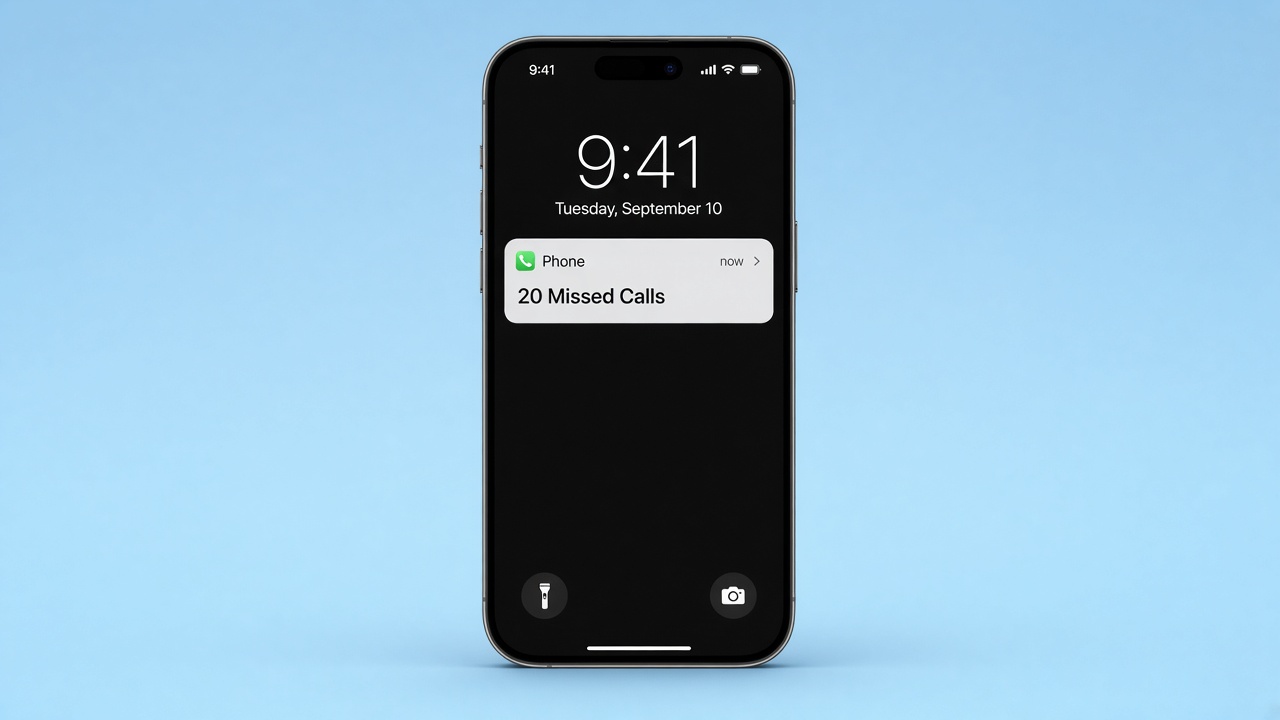
Some agents tell TalkLuna they get up to 30 spam calls a day. See how an AI receptionist filters those calls and still sends real leads to your CRM.
Read more →
TalkLuna has been accepted into Elevate's eCommerce North Tech Accelerator, presented with Moneris. Here is what that Canadian-built association means for small businesses in Canada and across North America.
Read more →
TalkLuna helps Canadian small businesses never miss a call. The Milton Chamber named us a 2026 Entrepreneur of the Year finalist as validation of that work.
Read more →TalkLuna answers when you cannot, qualifies buyer and seller inquiries, and syncs summaries to your CRM.
© 2026 talkluna. All rights reserved. Made for 🇺🇸