Connect AI answering calls to property management CRM and PMS workflows with field maps, ROI math, privacy checks, and implementation steps for North American operators.
A property management CRM integration connects every leasing, tenant, owner, vendor, and maintenance call to the system your team already uses. For many operators, that system may be a CRM, a property management system, or both: AppFolio, Buildium, Yardi, Rent Manager, MRI, Entrata, RealPage, DoorLoop, or another platform.
A prospective tenant calls at 7:42 p.m. about a vacant two-bedroom unit. Your leasing coordinator is gone for the day. The caller leaves no voicemail and books a tour with another property before morning. The problem is not only the missed call. The bigger problem is that the call never became a lead record, a follow-up task, or a measurable leasing event.
A property management CRM integration closes that gap. This guide explains how AI answering services can capture calls, qualify renters, triage maintenance, route emergencies, and sync clean data into property management workflows without asking staff to retype every conversation.
You will learn:
What property management CRM integration means for leasing and resident calls
Which call data should sync into your CRM or PMS
How to score vendors before connecting them to AppFolio, Buildium, Yardi, or another system
How to model ROI from fewer missed calls and less manual data entry
How to launch safely across Canada and the United States
Property management CRM integration is the connection between caller conversations and the software records your team uses to manage prospects, tenants, owners, vendors, work orders, appointments, and follow-up tasks. In practical terms, it turns phone calls into structured data.
In property management, the term CRM is often used loosely. Some companies use a dedicated CRM for leasing and owner relationships. Others use a property management system, or PMS, as the main system of record. Many use both. The important question is not what the software is called. The important question is whether every important call ends in the right record, with the right fields, the right next step, and the right person assigned.
For example, a rental inquiry should not end as a voicemail. It should create or update a prospect record with name, phone number, property, unit type, budget, move-in date, pet details, tour interest, and consent notes. A maintenance call should not sit in an inbox. It should become a work order or maintenance request with unit, issue category, urgency, access permission, photos if available, and escalation status.
This is where an AI receptionist for property management becomes more than a call answering tool. When it is connected to your CRM or PMS, it becomes an intake layer for the business.
Property managers struggle with call data because phone conversations are high volume, time sensitive, and poorly structured unless someone turns them into records immediately. Leasing, maintenance, rent questions, owner updates, vendor coordination, and emergency calls all arrive through the same channel, but each one needs a different workflow.
The common failure pattern looks like this:
The phone rings while staff are showing units, handling a resident issue, or off hours.
The caller leaves a partial voicemail, sends a second message, or moves on.
A staff member listens later and manually creates a note, task, guest card, or work order.
Important details are missing, duplicated, or placed in the wrong field.
Reporting undercounts demand because the call was never logged as a real event.
The result is operational drag. Leasing teams lose speed to lead. Maintenance teams lose context. Owners ask why service is slow. Managers cannot tell which campaigns, properties, or vacancies produced qualified calls.
The National Apartment Association has highlighted resident and operator disconnects around maintenance, security, and property upkeep. Better call intake will not solve every resident-experience issue, but it helps teams respond with cleaner context.
A disconnected answering service can make the phone feel covered, but it still leaves staff as the integration layer. A well-designed AI answering workflow answers the call and structures the data during the conversation.
The benchmark for property management CRM integration is simple: every important caller should be answered, identified, classified, and logged into the right workflow before the team starts its next business day.
Market conditions make this more important in both the U.S. and Canada. The U.S. Census Bureau reported a 7.3 percent national rental vacancy rate in Q2 2026. In Canada, CMHC reported that the national purpose-built rental apartment vacancy rate rose to 3.1 percent in 2025, up from 2.2 percent in 2024. More available units means leasing response quality matters more.
Resident experience also affects retention. AppFolio's 2025 Renter Preferences Report found that residents satisfied with their property manager were 73 percent more likely to plan to renew, residents satisfied with maintenance were 71 percent more likely to plan to renew, and 86 percent of renters satisfied with maintenance communication were also satisfied with their property manager.
Call workflow metric | Disconnected call handling | Integrated AI answering workflow |
|---|---|---|
Leasing inquiry | Voicemail or message summary | Prospect record, qualification fields, tour task, and call transcript |
Maintenance request | Callback and manual work order entry | Issue category, urgency, access notes, and work order draft or creation |
Owner call | General message to the office | Owner record note, property context, assigned follow-up, and priority |
Vendor call | Unstructured message | Vendor note, related work order, ETA, invoice or access context |
Reporting | Missed calls and anecdotal feedback | Call source, outcome, response time, conversion, and workload metrics |
The goal is not to automate every judgment. The goal is to make the intake clean enough that humans spend time deciding, not reconstructing what happened.
Use this scorecard before giving any AI answering service access to property data. Score each item from 0 to 2. A score of 0 means missing, 1 means partial, and 2 means ready for launch.
Criterion | What to check | Score |
|---|---|---|
System of record clarity | The vendor knows whether your CRM, PMS, or both own prospect, tenant, owner, and work order data | 0-2 |
Field mapping | Required fields are mapped for leasing, maintenance, owner, vendor, and emergency workflows | 0-2 |
Sync direction | Read, write, and update permissions are clear for every connected object | 0-2 |
Duplicate prevention | The system can match callers to existing people, units, and records before creating new ones | 0-2 |
Escalation rules | Emergencies, high-value leads, legal issues, and angry callers have defined human handoffs | 0-2 |
Audit trail | Calls, transcripts, summaries, updates, and failed sync attempts are traceable | 0-2 |
Privacy controls | Recording notices, retention rules, consent language, and vendor data use terms are documented | 0-2 |
Test coverage | The pilot includes realistic leasing, maintenance, rent, owner, vendor, and language scenarios | 0-2 |
A score of 14 to 16 usually means the integration is ready for a limited pilot. A score of 10 to 13 means the workflow needs more mapping. Below 10, the risk of bad data, poor routing, or staff mistrust is too high.
The easiest ROI model starts with missed leasing calls and manual data entry. Use conservative assumptions and replace the example numbers with your own call volume, rent, vacancy, and staffing data.
Formula: missed qualified leasing calls per month x tour conversion rate x lease conversion rate x first-month rent = estimated monthly leasing opportunity.
Example only:
80 rental inquiry calls per month
20 percent missed or unanswered quickly enough
40 percent of missed calls are qualified prospects
50 percent of qualified prospects would have booked a tour
25 percent of tours convert to leases
$1,800 first-month rent
Calculation: 80 x 20% x 40% x 50% x 25% x $1,800 = $1,440 in estimated first-month leasing opportunity per month.
That number does not include renewal impact, reduced staff interruptions, fewer duplicate work orders, faster emergency escalation, or better source attribution. It also does not guarantee revenue. It is a practical way to compare the cost of integration against the operational value of better response and cleaner data.
You can run a second model for staff time.
Formula: calls logged manually per month x minutes per manual update / 60 x hourly loaded admin cost = monthly manual entry cost.
Example only:
300 calls per month require notes, tasks, guest cards, or work orders
4 minutes of manual update time per call
$32 loaded hourly cost
Calculation: 300 x 4 / 60 x $32 = $640 per month in manual entry cost.
The strongest business case usually combines both models: revenue protection from leasing calls plus operating savings from reduced manual updates.
An AI answering integration answers calls and updates property management workflows in real time or near real time. The best systems do five jobs.
The AI should determine whether the caller is a prospect, tenant, owner, vendor, applicant, agent, or unknown caller. It should also classify the intent: leasing inquiry, showing request, rent question, maintenance issue, emergency, owner update, vendor access, complaint, or general message.
For AI leasing assistant workflows, the AI should collect move-in date, desired location, budget, bedrooms, pets, occupants, parking needs, tour preference, and application readiness. For maintenance workflows, it should collect unit, issue, location in unit, severity, immediate danger, access permission, callback number, and photos when the channel supports them.
The integration should create or update the correct guest card, prospect, resident, owner, work order, call note, appointment, or follow-up task. If the AI cannot confidently match the caller, it should create a review task instead of polluting the database.
For AI emergency maintenance triage, the integration should escalate burst pipes, active leaks, fire, gas smell, no heat in required conditions, electrical hazards, lockouts, or security issues according to your rules. It should not bury urgent calls in a general inbox.
Good integrations send a concise summary, transcript link, caller details, recommended next action, and confidence level. The human handoff should not force the caller to repeat everything.
The right data map depends on your software, but most property management teams need the same core objects. This field map is a starting point for AppFolio, Buildium, Yardi, Rent Manager, MRI, Entrata, RealPage, and similar systems.
Call type | Data to capture | Destination record | Human review needed? |
|---|---|---|---|
Rental inquiry | Name, phone, email, property, unit type, budget, move-in date, pets, tour preference, source | Prospect, guest card, lead, tour task | If qualification is low confidence or policy-sensitive |
Showing request | Property, unit, preferred times, buyer or renter details, confirmation status | Appointment, leasing calendar, prospect note | If double booking risk exists |
Maintenance request | Resident, unit, issue, category, urgency, access permission, photos, callback number | Work order or maintenance request | If emergency, duplicate, or unclear issue |
Rent or payment question | Resident, unit, question type, callback preference, sensitivity flag | Resident note or task | Yes for account-specific financial answers unless policy allows lookup |
Owner call | Owner, property, topic, urgency, requested action | Owner record, task, portfolio manager note | Usually yes |
Vendor call | Vendor, related property, work order, ETA, access details, invoice topic | Vendor note or work order update | If cost, scope, or approval is involved |
Do not start with every possible field. Start with the fields that determine routing, priority, reporting, and follow-up. A smaller reliable map beats a large map that staff do not trust.
The best property management CRM integration features are the ones that reduce operational risk. Do not evaluate only voice quality or answer speed.
Ask whether the vendor has a native integration, a supported API connection, middleware, webhook support, or a manual export. A native or API-based connection is usually better than screen scraping because it is easier to secure, monitor, and maintain.
Leasing and emergencies are time sensitive. A next-day CSV export may help reporting, but it will not save a hot leasing call or a burst pipe escalation. Ask which updates happen instantly, which are delayed, and which require staff approval.
The AI should know when not to write directly. For example, if a caller gives a unit number that does not match the phone number, the system should flag the call for review. If the AI is unsure whether a water issue is active flooding or a routine leak, it should escalate based on your risk tolerance.
Every automated update should leave a trace. Your team should be able to answer: who called, what the AI asked, what the caller said, what record changed, when it changed, and what failed if the sync did not complete.
The integration touches personal information. In Canada, PIPEDA sets rules for how private-sector organizations collect, use, and disclose personal information in commercial activity. The Office of the Privacy Commissioner of Canada defines personal information broadly as information about an identifiable individual. In the U.S., the FTC has warned AI companies to uphold privacy and confidentiality commitments and avoid using customer data for undisclosed purposes such as model training.
For AI risk governance, NIST's AI Risk Management Framework is a useful reference because it emphasizes governance, mapping, measurement, and management of AI risks.
Property managers usually compare three options: voicemail, live answering services, and AI answering services with CRM integration. Each can be useful, but they solve different problems.
Option | Best fit | Watch out for |
|---|---|---|
Voicemail | Very low call volume, non-urgent messages, businesses with no after-hours expectations | Lost leasing calls, slow maintenance response, no structured data, weak reporting |
Live answering service | Sensitive calls, complex human judgment, overflow coverage, premium caller experience | Per-minute cost, inconsistent property knowledge, message-taking without deep PMS sync |
AI answering service with CRM integration | High-volume leasing, tenant inquiries, maintenance intake, after-hours coverage, structured follow-up | Requires field mapping, testing, privacy review, and clear escalation rules |
Hybrid AI plus human handoff | Teams that want automation for routine calls and humans for exceptions | Needs clear handoff thresholds and a way to pass context instantly |
For many property managers, the best operating model is hybrid. Let AI answer, classify, collect, and sync routine calls. Route exceptions to humans with context.
Use workflows before scripts. A script tells the AI what to say. A workflow tells the AI what outcome to create.
Caller asks about a unit, property, rent range, pet policy, or availability.
AI confirms the property and unit type.
AI collects name, phone, email, move-in date, budget, bedroom count, occupants, pets, and tour preference.
AI checks the approved knowledge base or connected availability source.
AI books a tour or creates a leasing follow-up task.
AI writes a prospect or guest card record and tags the call source.
Leasing staff receive a summary with priority and next step.
Sample AI prompt segment:
"If the caller asks about availability, collect move-in timing, bedrooms, budget, pets, and preferred tour time before offering a handoff. If the unit is unavailable, offer similar units only from the approved availability source. Do not quote unapproved pricing."
Caller reports a repair issue.
AI identifies the resident, property, unit, and callback number.
AI asks issue-specific follow-up questions.
AI classifies urgency using your emergency rules.
AI creates a work order draft or work order, depending on your approval policy.
Emergencies route to the on-call person by call, SMS, or internal alert.
Routine requests queue for business-hours review.
This workflow pairs well with tenant inquiry automation because many tenant calls start as general questions and become maintenance, rent, or policy workflows only after the first few questions.
Caller identifies as owner or vendor.
AI verifies property or related work order.
AI captures topic, urgency, requested action, and deadline.
AI logs the note in the owner, vendor, or work order record.
AI assigns the follow-up to the portfolio manager, maintenance coordinator, or accounting contact.
AI escalates only if rules require immediate attention.
Start with one property group, one call category, and one integration destination. The fastest failed rollout is the one that tries to automate every call on day one.
Audit call types: Pull two to four weeks of call logs and group calls into leasing, maintenance, rent, owner, vendor, and other.
Choose the first workflow: Leasing inquiry or maintenance intake is usually the best starting point because the volume is high and the required fields are clear.
Define the system of record: Decide where each object lives. For example, prospects in the CRM, tenants in the PMS, work orders in the PMS, and owner follow-up in task management.
Create the field map: List required fields, optional fields, validation rules, and duplicate-matching logic.
Write escalation rules: Define what AI can answer, what it can log, what it can create, and what must route to a human.
Run test calls: Use realistic calls, including unclear callers, angry tenants, accent variation, language switching, low-confidence unit numbers, and emergencies.
Review the output: Check records, notes, timestamps, assignments, and reporting. Staff should trust the data before full rollout.
Launch in stages: Start after hours or overflow only, then expand to all inbound calls once QA is strong.
If your team already uses a general AI receptionist, this is the next maturity step after AI receptionist CRM integration: make the call data property-aware.
Keep the PMS as the source of truth: Do not let the AI invent availability, rent, policies, or owner instructions. Pull from approved data or route for review.
Use required fields sparingly: Too many required fields can make calls feel like interrogations. Collect what determines action.
Separate emergency and routine logic: Emergency maintenance needs a different escalation path from routine repairs.
Log failed sync attempts: A failed API update should create an alert, not disappear.
Protect sensitive answers: Account balances, legal disputes, screening decisions, and owner financials often need human review.
Measure the first 30 days: Track answer rate, qualified calls, tours booked, work orders created, sync failures, duplicate records, and staff corrections.
Automating before mapping: If your team has not defined the destination fields, the AI will create inconsistent records.
Treating every call as a lead: Tenants, owners, vendors, and prospects require different workflows.
Letting AI decide policy: The AI should follow approved policies, not create exceptions around pets, deposits, late fees, screening, or maintenance responsibility.
Skipping human handoff design: The caller experience breaks when the AI cannot transfer context to a person.
Ignoring Canada and U.S. privacy differences: Call recording consent, privacy notices, data transfer, and retention requirements vary by jurisdiction. Get legal guidance for your operating footprint.
Launching without staff buy-in: If leasing and maintenance teams do not trust the records, they will work around the integration.
Property management CRM integration is moving from simple note-taking to action-based intake. The next generation of AI voice workflows will not just summarize calls. It will read approved availability, collect qualification data, create guest cards, open work orders, update maintenance status, trigger renewal follow-up, and route exceptions to humans with a clear audit trail.
The important shift is control. Property managers should not give AI broad permission to change business records without rules. The winning operating model will be governed automation: clear data boundaries, approved actions, human review for sensitive decisions, and measurable outcomes.
TalkLuna is a Canadian-built Voice AI platform serving businesses across Canada and the United States. For property management teams, TalkLuna helps answer calls, qualify inquiries, capture caller information, route urgent issues, and connect call data with CRM and business software workflows.
If your team is comparing AI answering options, start with the workflow map in this guide. Then evaluate whether the vendor can answer your actual property calls, collect the right fields, respect your escalation rules, and support the systems your team already uses.
The best integration is not the one with the longest feature list. It is the one your leasing, maintenance, and portfolio teams trust every day.
Property management CRM integration connects caller data to the software records used for leasing, tenants, owners, vendors, appointments, and maintenance. It helps teams turn phone calls into structured records, tasks, work orders, and follow-up workflows instead of loose notes or voicemail.
An AI answering service does not always need direct AppFolio, Buildium, or Yardi integration, but direct integration is valuable when calls should create records or update workflows. Without integration, the AI may answer calls and send summaries, but staff still need to re-enter lead, tenant, and maintenance data.
AI can create maintenance work orders from phone calls when it is connected to the property management system and has clear rules for required fields, urgency, and approval. Many teams start with work order drafts or review queues before allowing direct creation for routine requests.
Property managers avoid bad CRM data by using field validation, duplicate matching, confidence thresholds, staff review queues, and audit logs. The AI should create a review task when it cannot confidently match a caller, unit, property, or existing record.
Call recording rules vary across the United States and Canada, so property managers should use clear notices and get legal guidance for each operating jurisdiction. In Canada, PIPEDA also requires organizations to handle personal information with appropriate purposes, safeguards, and accountability.
A property management company should usually automate leasing inquiry intake or maintenance request intake first. These workflows have high volume, clear fields, measurable outcomes, and strong ROI potential when connected to CRM or PMS records.
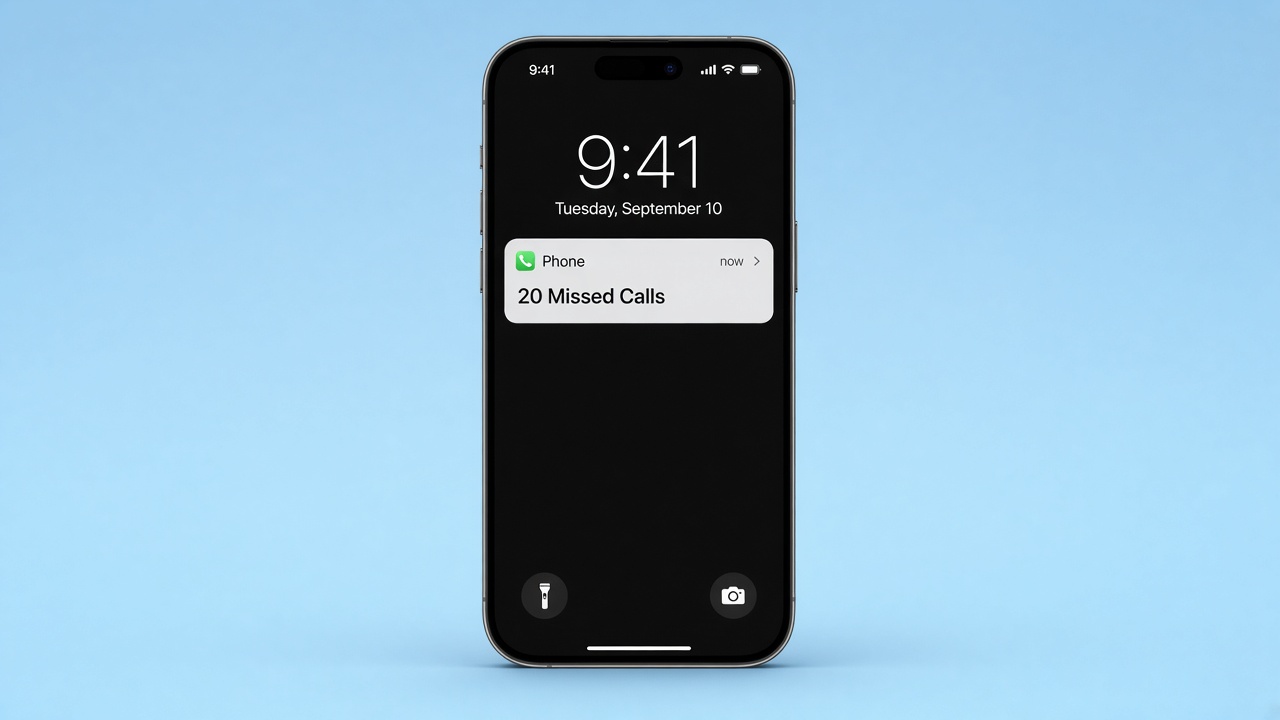
Some agents tell TalkLuna they get up to 30 spam calls a day. See how an AI receptionist filters those calls and still sends real leads to your CRM.
Read more →
TalkLuna has been accepted into Elevate's eCommerce North Tech Accelerator, presented with Moneris. Here is what that Canadian-built association means for small businesses in Canada and across North America.
Read more →
TalkLuna helps Canadian small businesses never miss a call. The Milton Chamber named us a 2026 Entrepreneur of the Year finalist as validation of that work.
Read more →TalkLuna answers when you cannot, qualifies buyer and seller inquiries, and syncs summaries to your CRM.
© 2026 talkluna. All rights reserved. Made for 🇺🇸