Some agents tell TalkLuna they get up to 30 spam calls a day. See how an AI receptionist filters those calls and still sends real leads to your CRM.
AI receptionist spam call filtering is how you answer every ring, separate robocalls from real intent, and still send the conversations that matter into your CRM. An AI receptionist can filter out spam calls and still capture important leads when it withholds the alert on junk and keeps a name, a number, and a reason to call back.
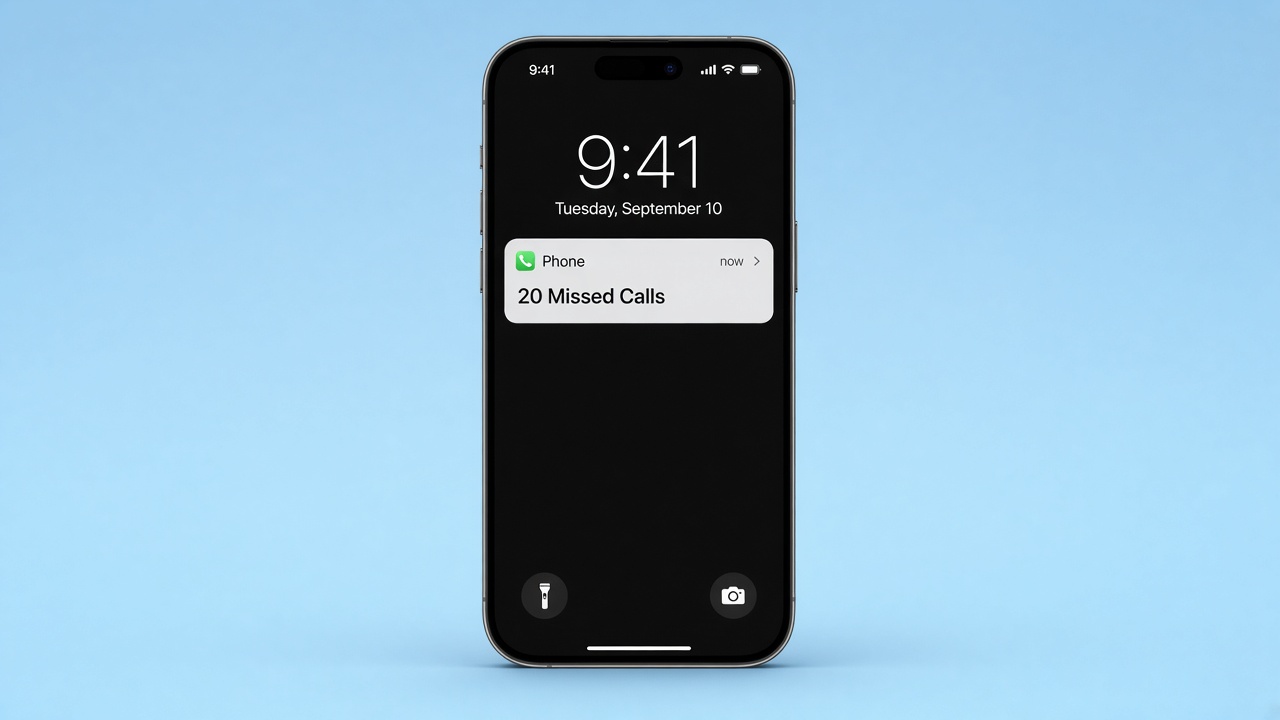
You are halfway through a showing when the phone starts again. The first call is a recorded warranty pitch. The second is silence. The third is a local number you do not recognize, so you let it go, because the last twenty calls were junk. That third caller was a seller who saw your sign and wanted to know what the house down the street sold for. By the time you call back, they have already texted another agent.
Some real estate agents have told TalkLuna they receive up to 30 spam calls a day on the same number they publish on signs, portals, and Google. That figure is what those agents reported. It is not a national average. It is enough volume, on a working day, to train you to ignore the phone that is also supposed to bring you listings.
An AI receptionist spam call filtering setup answers that line, sorts the noise, and still writes the buyer, seller, and renter conversations into the CRM your team already works from. This guide shows how to set that split so spam stops interrupting you and real leads still have a name, a number, and a next step.
You will leave with:
A plain definition of how an AI receptionist filters spam calls and still captures important leads
A sourced picture of how large the unwanted-call problem is in the United States and Canada
A call-type table you can use to decide what gets an alert and what gets a CRM record
A 10-point scorecard for judging spam detection before you trust it with listing calls
A ring-to-CRM workflow for buyer inquiries, seller calls, and robocalls
FAQ answers written the way people search for this problem
Your business number is public on purpose. Yard signs, listing portals, Google Business Profile, and Facebook ads all send strangers to the same line. That is how a ready buyer reaches you. It is also how a robocall finds you.
In fiscal year 2025, the U.S. Federal Trade Commission received more than 2.6 million Do Not Call complaints. Of those, 1,601,611 were robocalls and 802,144 were live callers, with the rest missing a call type. The FTC is clear that these are unverified consumer reports, not a census of every unwanted call placed in the country. The National Do Not Call Registry Data Book for Fiscal Year 2025 and the FTC’s January 2026 report to Congress both show robocalls still make up most of the complaints. Common topics included debt reduction, imposters, medical and prescription pitches, energy and utilities, and home improvement.
Canada’s picture is smaller in complaint volume and just as familiar to anyone who publishes a phone number. In 2024–2025, Canadians filed 26,105 complaints with the National Do Not Call List operator, and 86 percent of those complaints were about calls to a number already on the list, according to the CRTC’s complaint figures.
The FCC’s consumer guide on unwanted robocalls says stopping illegal robocalls is a top consumer-protection priority, and phone companies can block some illegal traffic before it rings. Caller ID authentication makes spoofed numbers harder to trust. None of that removes the live spam, the “press 1” pitch, or the silent call that still lands on a number printed on a for-sale sign.
The cost is a line you stop trusting. A 2014 WAV Group study of 384 brokers across 11 states found that 48 percent of buyer inquiries received no response, and the ones that did waited 917 minutes on average. That study measured web inquiries, not spam calls, and it is more than a decade old. It still matches what agents describe: when the phone feels like noise, follow-up slows, and the person who was ready to talk moves on. A real estate answering service keeps the line open. Spam filtering keeps that open line from becoming a second job.
An AI receptionist answers inbound calls, asks for the details your team needs, and hands you a record you can act on. Spam call filtering is the judgment layer on that answer. The assistant still picks up. It then decides whether the conversation was a person with a reason to call, or noise that should not page you.
TalkLuna’s receptionist, Luna, answers the call so you do not have to leave a showing to screen it. After the conversation, a spam flag is based on the caller’s own words across the whole call. Silence, filler sounds, and a caller who never states a question or a reason to talk can be marked as spam. A caller who gives a name, a phone number, a question, or a clear intent is treated as a real conversation. When spam filtering is turned on, a flagged call does not send the usual SMS or email alert. A real conversation can still produce a summary and, when a first name and a phone number were captured, a CRM record.
Useful detection looks at the whole call, not the first half-second of audio. A buyer who says “hi, is this about the house on Maple?” after a pause is a lead. A recording that never responds to a question is not.
Patterns that usually belong in the spam pile:
A prerecorded pitch that never answers a question about a property
Silence, dead air, or a caller who hangs up before stating a reason
A demand that you “press 1” or stay on the line for a “specialist”
A script about warranties, credit, solar, or a government program, with no tie to your listing or your client
A caller who will not give a name, a callback number, or a reason after being asked
Patterns that usually belong in the lead pile, even if the call is short:
“I’m calling about the listing on your sign.”
“What would my house be worth if I sold this spring?”
“Can I see it Saturday?”
“I already submitted a form. Nobody called me back.”
A past client, a lender, a title company, or a property manager with a specific question
The risky middle is the short human call. Someone driving, someone shy, or someone who only says a street name can sound thin. A filter that throws those away will “clean” your phone by deleting pipeline. The standard is simple: if the caller expressed any real intent, keep the record and alert you.
Filtering is working when the warranty calls do not ping you and the seller does. The CRM contact has a first name, a callback number, a one-line reason, and a note you can read in under a minute.
TalkLuna sends that completed call to Follow Up Boss, GoHighLevel, or Sierra Interactive when the integration is on and the call captured a first name and a phone number. Empty spam calls rarely produce those two fields, so they stay out of the pipeline. Field mapping is covered in the AI receptionist CRM integration guide and the Follow Up Boss AI receptionist guide.
Use this table as an operating rule, then adjust it for your market. The “alert” column is what should interrupt you. The “CRM” column is what should become a contact your ISA or agent can work.
| Call | What you hear | Alert you? | CRM record? | | --- | --- | --- | --- | | Warranty or solar robocall | A recording, or a script with no property question | No | No | | Silence or immediate hang-up | No name, no question, no intent | No | No | | “Press 1” pitch | A demand to stay on the line for an offer | No | No | | Portal or sign buyer | A listing, a time to tour, a budget, or a name | Yes | Yes, with summary | | Seller valuation call | An address or neighborhood and a reason to sell | Yes | Yes, with summary | | Past client or partner | A name you know and a specific ask | Yes | Yes, attached to the existing contact | | Short human call with intent | A street name, “is it still available,” or a callback request | Yes | Yes, even if details are thin | | Wrong number | They wanted a different business and have no real estate need | No, unless they become a lead | No |
The “up to 30 spam calls a day” figure is what some agents have reported to TalkLuna. It is not a measured industry average. FTC and CRTC figures above are complaint counts, not the number of calls placed to real estate lines.
Copy this into your brokerage wiki or use it the next time a vendor demos call coverage. A useful system answers yes to these.
It answers before you do. The agent is not the person deciding, mid-showing, whether a call is junk.
It judges the whole conversation. A pause at the start does not automatically equal spam.
It keeps any clear intent. A listing question, a valuation request, a name, or a callback request stays in the lead path.
Spam does not page you. SMS and email alerts can be withheld when a call is flagged.
Real calls still notify you. Buyer and seller conversations produce a summary you can read quickly.
The CRM gets people, not noise. A contact is created when there is a name and a number worth dialing.
You can audit flags. You can open a sample of spam calls and hear why they were flagged.
Urgent calls have a path. A client who says “I’m locked out” or “the inspector is here” is not treated like a robocall.
The script matches your business. The assistant knows you sell homes, not that you are a generic small business.
A human can override. You can mark a flagged call as real and tighten or loosen the rule afterward.
If a product only blocks numbers and cannot tell you what the caller wanted, it is a blocker, not a receptionist. If it logs every robocall as a new CRM lead, it will bury the ISA. The standard is both: fewer interruptions, and a CRM that still fills with people who asked for help. Teams comparing coverage options can start with AI answering for real estate and the lead qualification guide.
Spam filtering fails in two ways. A silent phone can also drop the seller. A CRM full of nameless contacts gives the ISA nothing worth dialing.
A clean handoff looks like a normal new lead. The assistant collected the facts an ISA would collect, then skipped the calls that never became a person. For Follow Up Boss, GoHighLevel, and Sierra Interactive, TalkLuna’s sync runs when the integration is enabled and the call includes a first name and a phone number, along with a title and a transcript summary. That is enough to call back without replaying a robocall first.
Ask your process to keep six facts on every kept call: who they are, what they want, which property or area, when they want to move, how to reach them, and the next step. If a spam call never produces a name, it should not become a lead. If a nervous buyer only gives a first name and a listing, it should. The AI answering service CRM guide for real estate walks through how those records land in the tools teams already use.
Here is a simple way to see the interruption, using the “up to 30 spam calls” reports as an example input. Replace the numbers with your own week.
Minutes lost = spam calls times the minutes you spend noticing each one
Example:
30 spam calls in a day
1.5 minutes to glance, decline, and get back to the showing or the offer
45 minutes of broken attention
On top of that, the real calls you stopped trusting
Example only. Thirty calls is what some agents reported to TalkLuna, not a market-wide rate. Your minute cost depends on whether you decline, listen to voicemail, or call back. This is not a revenue guarantee.
The larger loss is the seller you did not trust because the line had cried wolf. Filtering exists so the alert you do receive is one you answer.
You will probably use more than one layer. They do different jobs.
Best fit: Obvious illegal robocalls and numbers your carrier already labels as spam.
Watch out: The FCC’s call-blocking page explains that providers may block some calls, including calls from invalid numbers, and that analytics-based blocking should let customers opt out. A blocked buyer never gets to explain who they are, and you get no CRM note.
Best fit: A low-volume line you can clear the same day.
Watch out: Buyers hang up, spam fills the box, and nothing reaches the CRM until you type it.
Best fit: Emotional calls where you want a person on the first ring and you can afford the minutes.
Watch out: If they answer spam the same way they answer sellers, you pay for both, and you still need a written rule for what becomes a lead.
Best fit: A public real estate number that mixes robocalls, portal leads, sign calls, and after-hours sellers.
Watch out: Review a sample of flagged calls in the first weeks so a short, real caller is not hidden. Set the rule, then listen.
Outbound marketing is a separate rule set. The National Association of Realtors telemarketing guidance covers consent and Do Not Call duties when you place calls or send marketing texts. Inbound filtering does not replace that. It only decides what happens when someone calls you.
Use three paths. The words can match your market. The decision should not change from agent to agent.
Answer: “Thanks for calling [Team]. I can help with the listing or take a message for the agent. What address are you calling about?”
Qualify: Buyer or seller, timing, and whether they have an agent.
Capture: First name, callback number, and email if they offer it.
Close the loop: “The agent will see this right away. Is this the best number to reach you?”
After the call: Send the alert. Create or update the CRM contact with the summary. If they asked for a showing, follow your showing request process.
Answer: The same greeting. Do not announce that you are screening for spam.
Ask once: “What can I help you with today?”
If there is still no intent: End politely. Do not invent a name. Do not create a lead.
After the call: Flag it as spam. Skip the SMS and email alert. Leave the CRM unchanged.
You hear: “Hi, the house on Oak, is it available?”
You capture: First name if they will give it, the number on the line, and “buyer asking if Oak is available.”
You alert: Yes. Thin details are still a lead. The agent can fill the rest on the callback.
If Path B would have caught the Oak caller, the rule is too tight.
List the calls you actually get. Buyers, sellers, renters, vendors, past clients, and the spam you can describe from memory.
Write the keep rule in one sentence. Example: “If the caller names a property, a selling question, a tour time, or asks for a person on the team, it is a lead.”
Write the drop rule in one sentence. Example: “If the caller never states a reason, or the audio is a recording that ignores questions, it is spam.”
Turn on alert filtering for spam. Real conversations should still text or email you. Flagged ones should not.
Connect the CRM you already use. Confirm a test call with a fake buyer name creates a contact, and a silent test call does not.
Review 20 flagged calls. Rescue any real intent. If you are rescuing often, loosen the rule.
Tell the team what “new lead” means now. An alert should be something they call back the same day. A spam flag should not sit in the same queue.
Check the four weekly counts. Answered, flagged, synced, and corrected. Keep the corrected pile small, call buyer and seller leads back the same day, and give one person ownership of the script so the team shares one definition of spam.
The point of an AI receptionist is not to hide your number. The number should stay on the sign. The point is that a ring no longer means “probably spam,” and a CRM notification no longer means “go listen and find out.”
Agents who have described a day of 30 junk calls are describing a line they have started to doubt. Spam call detection gives that line a filter. Lead capture gives the calls that survive the filter a place to go. Used together, you stop treating every ring as an interruption, and you stop losing the seller who sounded, for three seconds, like all the other noise.
If you want that split on a real estate line, start with how TalkLuna answers, qualifies, and syncs calls for real estate teams.
An AI receptionist answers the call, listens for a real request, and withholds your alert when the caller never states one. When the caller gives a name, a number, and a reason, such as a listing question or a valuation, that conversation is summarized and can be sent to your CRM. Spam is filtered at the alert. Leads are kept at the record.
Some agents have told TalkLuna they receive up to 30 spam calls a day on the number they use for listings. That is a report from those agents, not a national study. Federal complaint data supports the broader problem: the FTC logged more than 2.6 million unwanted-call complaints in fiscal year 2025, most of them robocalls.
It should not. A useful setup creates a CRM contact when the call produced a person you can call back, typically a first name and a phone number, plus a summary of what they wanted. Recorded pitches, silence, and calls with no intent should be flagged and left out of the pipeline. Review a sample of flagged calls so a short buyer is not left out by mistake.
Carrier blocking can stop some illegal or spoofed calls before they ring, which the FCC allows in defined cases. An AI receptionist answers the calls that still get through, tells spam from a listing inquiry, skips the alert on spam, and writes real conversations into the CRM. Blocking prevents a conversation. Filtering sorts the conversation you already had.
Yes. A caller who names a street, asks if a home is available, or requests a callback has intent, even if the call lasts under a minute. Capture the name if they give it, keep the number, write the question in the summary, and alert the agent. Save the hard “no CRM” rule for recordings and calls that never state a reason.
Yes. That is when a lot of sign calls and portal calls arrive, and when you are least able to screen them yourself. The same rules apply at 8 p.m. as at noon: answer, flag calls with no intent, and sync the buyer or seller conversation so it is waiting in the CRM in the morning.

TalkLuna has been accepted into Elevate's eCommerce North Tech Accelerator, presented with Moneris. Here is what that Canadian-built association means for small businesses in Canada and across North America.
Read more →
TalkLuna helps Canadian small businesses never miss a call. The Milton Chamber named us a 2026 Entrepreneur of the Year finalist as validation of that work.
Read more →A practical North American guide to apartment answering service options, AI call workflows, emergency triage, tour booking, PMS handoffs, compliance, and ROI.
Read more →TalkLuna answers when you cannot, qualifies buyer and seller inquiries, and syncs summaries to your CRM.
© 2026 talkluna. All rights reserved. Made for 🇺🇸