A practical North American guide for plumbing contractors choosing AI, live, or hybrid call coverage, with emergency triage rules, ROI math, scorecards, and setup steps.
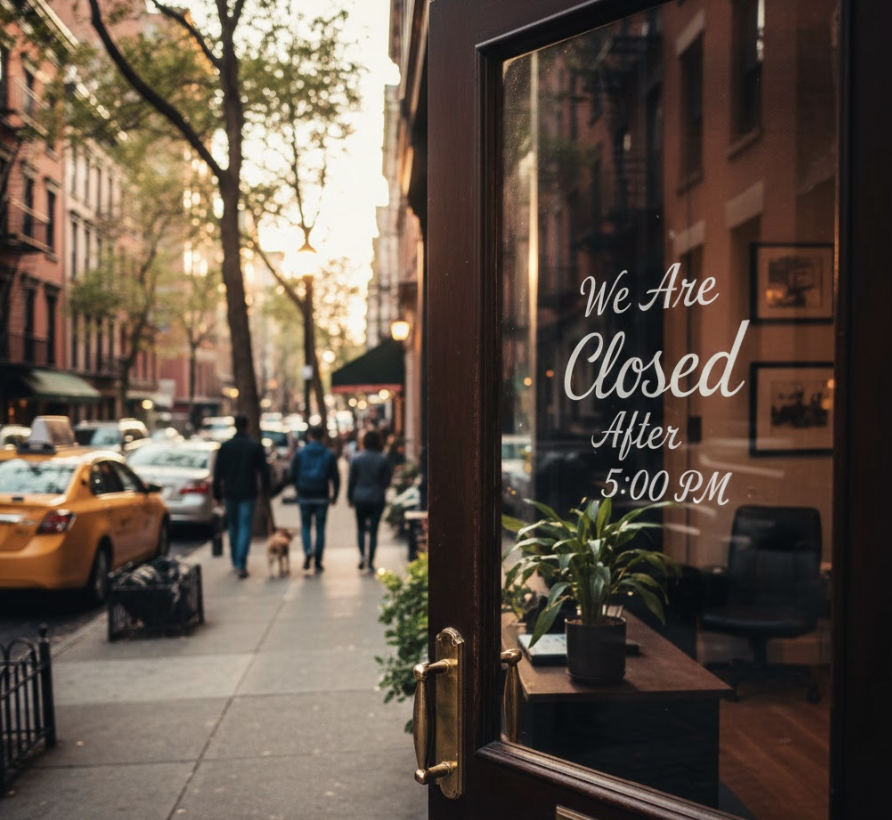
Your technician is under a sink, the dispatcher is already on another line, and a homeowner with water spreading across the basement calls twice before moving to the next plumber on Google.
A plumbing answering service helps plumbing contractors answer those calls, separate emergencies from routine jobs, capture the right details, and route the next step before the customer gives up. This guide explains how to evaluate AI, live, and hybrid call coverage for plumbing businesses across Canada and the United States.
You will learn:
How a plumbing answering service works
Which emergency calls need immediate escalation
How AI receptionists, live answering services, voicemail, and in-house dispatch compare
How to model missed-call cost without inflated vendor math
How to launch call coverage safely with field-service software, privacy rules, and human handoff
A plumbing answering service is a phone coverage system that answers inbound calls for a plumbing business when staff cannot pick up. It can handle after-hours calls, overflow during busy periods, emergency intake, appointment requests, message taking, and call routing.
For a small plumbing shop, that may mean forwarding calls after 5 p.m. so the owner can sleep unless a true emergency comes in. For a multi-truck contractor, it may mean covering lunch breaks, weekends, holidays, freeze-week surges, and overflow from paid search campaigns.
The modern version is no longer just a generic call center script. An AI receptionist for plumbers can ask trade-specific questions, capture address and shutoff status, check whether the caller is inside the service area, book routine jobs, and alert the on-call plumber when the issue meets your emergency rules.
The key is control. A good answering service follows your dispatch policy. It does not invent prices, promise arrival times your team cannot meet, or diagnose plumbing problems beyond the questions you have approved.
Plumbing calls are hard to staff because demand is urgent, uneven, and physical work keeps technicians away from the phone. A receptionist can answer one call at a time. A plumber repairing a supply line cannot safely stop every five minutes to screen leads.
The market also has limited labor capacity. The U.S. Bureau of Labor Statistics reports 504,500 plumber, pipefitter, and steamfitter jobs in 2024 and projects about 44,000 openings per year from 2024 to 2034, with many openings tied to workers leaving the occupation or retiring. In Canada, Innovation, Science and Economic Development Canada reports 2024 average SME revenue of $705.3 thousand for plumbing, heating, and air-conditioning contractors, with 78% of SMEs profitable in that NAICS category.
That context matters because missed calls are not only a marketing problem. They are an operations problem. When skilled labor is scarce, every booked truck slot, accurate intake note, and avoided phone-tag loop matters.
Plumbing urgency also changes caller behavior. The EPA WaterSense program says household leaks waste nearly 1 trillion gallons annually in U.S. homes, and the average household leak can waste nearly 10,000 gallons per year. A homeowner hearing water run inside a wall does not want to leave a voicemail. They want to know whether someone can help now.
A strong plumbing answering setup should answer fast, classify accurately, and create a usable next step. Use the table below as an operating benchmark, then replace the examples with your own call data.
Call coverage metric | Traditional approach | AI-enabled approach |
|---|---|---|
First response | Phone rings until a dispatcher, owner, or voicemail picks up | AI answers overflow, nights, weekends, and holidays immediately |
Emergency classification | Depends on whoever answers and how well the script is followed | Uses consistent rules for active leaks, sewage backups, no water, gas smell, and water-heater failures |
Caller details | Name and number may be captured, but details vary | Structured intake captures address, issue, urgency, access notes, and callback number |
Dispatch handoff | Text, voicemail, or verbal relay to the on-call plumber | Alert with summary, transcript, priority, and recommended next action |
Reporting | Hard to connect missed calls to booked jobs | Call outcomes can be tracked as booked, unbooked, abandoned, emergency, or routine |
Example operating framework only. Your actual targets should come from call tracking, field-service software, and monthly revenue data.
ServiceTitan documentation, for example, distinguishes booked calls, unbooked calls, and abandoned calls so contractors can review missed opportunities and CSR performance. Even if you use Jobber, Housecall Pro, FieldEdge, Service Fusion, or another system, classify every call outcome so call coverage can be managed like revenue operations, not office noise.
A plumbing answering service should be evaluated on dispatch quality, not just monthly price. Score each item from 0 to 2, where 0 means missing, 1 means partial, and 2 means proven in testing.
Trade-specific emergency triage: Recognizes active water, sewage backup, gas smell, no-water situations, water-heater failures, frozen pipes, sump pump failure, and tenant authorization issues.
Clear human escalation: Sends urgent calls to the on-call plumber by phone bridge, SMS, app alert, or backup escalation.
Service-area checking: Confirms city, postal code, ZIP code, or neighborhood before booking.
Appointment booking: Books routine work into your calendar or dispatch software when availability is known.
Structured call notes: Includes caller name, callback number, address, issue, urgency, next step, and transcript or recording if enabled.
Software integration: Connects with field-service, calendar, CRM, and notification workflows without duplicate entry.
Overflow capacity: Handles simultaneous calls during storms, freezes, ad campaigns, and Monday morning backlogs.
Language support: Supports English, Spanish, French, or other languages your actual service area requires.
Compliance controls: Documents call recording notices, retention rules, opt-out handling, and data access.
Test-call performance: Passes your own burst-pipe, sewer-backup, water-heater, routine drain, warranty, and out-of-area call tests.
Score 17 or higher before routing all calls. If the score is 12 to 16, start with after-hours or overflow only. If the score is below 12, fix the setup before exposing real customers.
The cheapest answering option is not always the lowest-cost option. For plumbing businesses, the real question is how many qualified calls become booked jobs when someone answers correctly.
Formula: missed qualified calls per month x booking rate on answered calls x average gross profit per booked job = monthly gross profit at risk
40 qualified calls missed per month
35% would have booked if answered and triaged properly
$275 average gross profit per booked job
40 x 0.35 x $275 = $3,850 monthly gross profit at risk
Example only. Replace with your own call logs, booking rate, job mix, and gross margin. This is not a guarantee.
Input | Example value | How to replace it |
|---|---|---|
Qualified missed calls per month | 40 | Pull from phone logs, abandoned calls, voicemail, and missed-call texts |
Answered-call booking rate | 35% | Use CRM or field-service software booked-call data |
Average gross profit per job | $275 | Use gross margin, not top-line invoice value |
Monthly service cost | $300 | Use plan cost, overages, setup fees, and integration fees |
Estimated monthly net impact | $3,550 | Gross profit at risk minus monthly service cost |
This model is conservative because it ignores lifetime value, maintenance plans, repeat work, reviews, and referral value. It is also safer than using a vendor's industry-wide revenue claim. The right number is the one from your own shop.
An AI plumbing answering service answers the call, runs approved intake, and moves the caller to the right next step. It should support your dispatcher and technicians, not replace trade judgment.
The first job is to determine why the caller is calling. Common categories include emergency service, routine repair, estimate request, maintenance plan, warranty follow-up, commercial account, tenant request, vendor call, job status update, and sales solicitation.
That classification protects the on-call plumber. Nobody wants to be paged at 2:17 a.m. for a faucet estimate that can wait. Nobody wants an active sewage backup sitting in voicemail until morning.
A generic answering service may capture name, number, and message. A plumbing virtual receptionist should capture the information a dispatcher would ask for:
Property address and unit number
Whether the caller owns, rents, or manages the property
What fixture or system is affected
Whether water is actively flowing and whether the main shutoff is closed
Whether sewage is backing up into living space
Whether a gas smell is present near a water heater or appliance
Access notes, parking notes, pets, gate codes, and preferred callback number
AI should not decide to roll a truck by itself unless your policy explicitly allows it. The safer pattern is AI triage plus human dispatch approval.
For urgent calls, the AI alerts the on-call plumber with a concise summary. For example: "Active water leak from upstairs bathroom ceiling, water not shut off, homeowner on site, address confirmed, callback number confirmed." The human decides whether to call back, dispatch, quote emergency fee, or route to another technician.
For routine calls, AI can often book directly into a calendar or field-service platform. Drain cleaning, water-heater consultation, fixture replacement, inspection, and estimate requests can be scheduled if your availability, service area, job type, duration, and pricing language are clear.
For related scheduling guidance, see TalkLuna's guide to AI appointment booking. If your team mainly needs busy-hour backup, the overflow answering service guide explains how to cover call spikes without forwarding every call.
A practical answering service for plumbers needs a written triage matrix. The matrix below gives a starting point for owner, dispatcher, or operations manager review.
Caller situation | Intake questions | Recommended routing |
|---|---|---|
Burst pipe or active indoor leak | Where is water coming from? Is the main shutoff closed? Is water near electrical panels or outlets? | Highest priority alert to on-call plumber; advise caller to avoid electrical hazards and follow your approved safety script |
Sewage backup | Which fixtures are backing up? Has sewage reached living space? Are vulnerable residents present? | Highest priority alert; capture property access and whether this is a tenant or owner call |
Gas smell near water heater | Is there a gas smell now? Is anyone feeling ill? Has the caller left the building? | Safety-first script: tell caller to leave, call emergency services or gas utility, then alert your team for follow-up |
No water | Is the issue whole-property or one fixture? Is there freezing weather? Is the meter or main valve accessible? | Urgent if whole-property or freeze-related; otherwise routine triage |
Tenant maintenance call | Property address, unit, issue, active damage, landlord or property manager approval | Route based on authorization policy before dispatch |
This table is not legal, safety, or trade advice. It is an operations template. Your licensed plumber, insurer, and local rules should define the final script.
AI, live answering, hybrid coverage, and voicemail each fit different plumbing businesses. The best choice depends on call volume, emergency mix, budget, and how much control you need over dispatch rules.
Option | Best fit | Watch out for |
|---|---|---|
Voicemail | Very low call volume and no after-hours emergency promise | Emergency callers may not wait, and missed-call data is often invisible |
In-house dispatcher | Multi-truck shops with steady daytime volume and process control | Hiring, breaks, sick days, simultaneous calls, nights, weekends, and turnover |
Live answering service | Shops that want human warmth and basic message taking after hours | Per-minute pricing, inconsistent trade knowledge, and manual data entry |
AI receptionist for plumbers | 24/7 intake, overflow coverage, structured notes, and repeatable routing | Requires careful scripts, emergency rules, testing, and privacy setup |
Hybrid AI plus human escalation | Growing shops with emergency volume and complex customer situations | Costs more and needs clear handoff rules so callers do not get bounced around |
If you are comparing broader options, TalkLuna's AI receptionist vs answering service guide explains where AI, live agents, and hybrid models differ. The after-hours answering service for small business guide is useful if nights and weekends are your main gap.
A plumbing answering service works best when each call path has a clear purpose. Start with a few high-value workflows before adding complexity.
AI answers in the shop name.
Caller explains water is coming through the ceiling.
AI captures address, callback number, fixture source if known, and whether the main shutoff is closed.
AI follows your approved safety language, such as avoiding electrical hazards and shutting off water if the caller can safely do so.
AI alerts the on-call plumber with priority, summary, and transcript.
Human plumber calls back, confirms emergency fee and ETA, then decides whether to dispatch.
AI answers during a busy office period.
Caller asks about replacing a water heater.
AI captures tank or tankless, age, fuel type, leak status, preferred appointment window, and address.
AI checks service area and books an estimate slot if your calendar rules allow it.
AI sends the appointment confirmation and creates a call summary for the office.
AI identifies the caller as a tenant.
AI captures property address, unit number, issue, active damage status, and landlord or property manager name.
If active damage exists, AI routes urgently under your property-management policy.
If routine, AI sends the intake to the approved contact or creates a task for office review.
Property managers face similar maintenance and routing pressure. For that side of the workflow, see TalkLuna's property management call routing guide and AI emergency maintenance triage guide.
The safest rollout is narrow, tested, and measured. Do not forward every call on day one unless the workflows have already passed real test scenarios.
Audit your calls for two weeks. Separate missed calls, abandoned calls, voicemail, booked jobs, emergency jobs, and routine inquiries.
Choose the first use case. Start with after-hours, overflow, weekends, or paid-search campaign calls.
Write emergency rules for active leaks, sewage backup, gas smell, no water, no hot water, freeze events, commercial accounts, and tenant authorization.
Write approved language for safety, pricing, arrival windows, warranties, and service area.
Connect scheduling carefully by mapping job types, durations, zones, technician calendars, blocked times, and emergency holds.
Set data rules for call recording, caller notice, transcript access, and retention.
Run test calls for burst pipe, sewer backup, gas smell, no hot water, slow drain, out-of-area, existing customer, angry customer, tenant, and vendor scenarios.
Pilot during limited hours. Forward nights and weekends first, or use overflow after a set ring count.
Review daily for two weeks. Listen to transcripts, adjust scripts, and compare booked, unbooked, and escalated outcomes.
Expand only after the data is clean. Add daytime overflow, ad campaign lines, or full 24/7 coverage once handoffs are consistent.
TalkLuna is a Canadian-built Voice AI platform serving businesses across Canada and the United States. For plumbing and home-service teams, TalkLuna can answer calls, qualify callers, capture structured information, support appointment workflows, and connect call summaries with business software.
A North American plumbing answering service should account for language, privacy, call recording, and follow-up rules. The details differ by country and sometimes by province or state.
Use local terminology: U.S. callers may give a ZIP code. Canadian callers may give a postal code. Some markets expect Spanish. Canadian markets may need French, especially in Quebec or bilingual service areas.
Notify callers about recordings: The Office of the Privacy Commissioner of Canada says organizations subject to PIPEDA should inform customers that calls are being recorded, state the purpose, and obtain meaningful consent. U.S. rules vary by state, so use a conservative notice if recordings or transcripts are enabled.
Separate inbound service from outbound marketing: Inbound answering is usually operational. Follow-up texts, reminders, review requests, and promotions can trigger different consent duties. FCC rules published in the Federal Register require certain robocall and robotext consent revocations to be honored within a reasonable time, not to exceed 10 business days.
Keep AI inside approved boundaries: NIST's Generative AI Profile encourages organizations to govern, map, measure, and manage AI risks. For plumbing calls, that means testing scripts, defining escalation, monitoring outputs, and avoiding unsupported claims.
Measure by business outcome: Track booked jobs, emergency escalations, no-shows, unbooked calls, abandoned calls, and revenue by source. Answer rate alone is not enough.
Most plumbing answering-service failures come from weak setup, not from the idea of call coverage itself.
Treating every after-hours call as an emergency: This burns out the on-call plumber and trains the team to ignore alerts. Write clear escalation rules.
Letting AI quote custom jobs: A safe script can mention standard diagnostic fees if approved. It should not promise a final price for hidden damage, code work, commercial work, or complex installs.
Skipping service-area checks: Booking out-of-area jobs creates awkward cancellations and wastes dispatcher time.
Capturing notes but not routing them: A transcript is useful only if it reaches the right person, CRM, or field-service job record.
Forgetting tenant authorization: Tenant calls often need landlord, owner, or property manager approval unless your policy says active damage overrides the normal path.
Not testing edge cases: A demo that handles one routine call is not enough. Test gas smell, sewage backup, angry caller, out-of-area, and simultaneous calls.
Plumbing call coverage is moving from message taking to dispatch intelligence. The next wave will focus less on whether the phone is answered and more on whether the call creates a clean operational record.
Expect more contractors to connect phone intake with field-service systems, call tracking, CRM records, estimate workflows, and customer messaging. The winning setup will not be the loudest AI voice. It will be the workflow that creates fewer missed calls, fewer bad dispatches, fewer duplicate records, and faster human decisions.
For home-service contractors, the lesson from the broader AI receptionist for home services market is simple: voice AI works best when it is tied to a clear operating standard. HVAC contractors have similar seasonal surge issues, which TalkLuna covers in the HVAC answering service guide.
A plumbing answering service should protect revenue, customers, and technician time. It should answer when your team cannot, identify urgent jobs, capture details accurately, and hand off to humans before the call becomes risky.
If you are comparing options, start with your own missed-call data and emergency policy. Then test vendors against real plumbing scenarios, not polished demos.
TalkLuna helps service businesses answer calls, qualify leads, schedule appointments, and connect call data with CRM and business software workflows. If your plumbing team is losing calls after hours, during jobs, or during seasonal surges, a focused AI receptionist pilot can show whether 24/7 coverage is worth expanding.
A plumbing answering service is a phone coverage solution that answers calls for a plumbing company when staff are unavailable. It can capture service requests, classify emergencies, book routine jobs, route urgent calls, and send structured notes to the office or on-call plumber.
A plumbing answering service can range from low monthly AI plans to higher-cost live receptionist or call-center plans with per-minute billing. The useful comparison is total monthly cost plus setup fees, overages, integrations, and the number of booked jobs recovered from missed calls.
An AI receptionist can help handle emergency plumbing calls by asking approved triage questions and alerting a human when the call matches urgent criteria. The safer setup keeps dispatch, pricing, diagnosis, and final ETA decisions with a licensed plumber or trained dispatcher.
An answering service should ask for the property address, callback number, where water is coming from, whether the main shutoff is closed, whether water is near electrical hazards, and whether anyone is at risk. The call should then escalate according to the plumber's written emergency policy.
A live answering service is better when human reassurance is the main requirement and call volume is predictable. AI is often better for 24/7 coverage, simultaneous calls, structured intake, and consistent routing, especially when scripts and escalation rules are well tested. Many growing shops use a hybrid model.
Many plumbing answering services can integrate with ServiceTitan, Jobber, Housecall Pro, Google Calendar, or CRM workflows, but the depth varies. Before choosing a vendor, test whether it can create or update customer records, book jobs, attach call summaries, preserve source attribution, and avoid duplicate records.
Plumbers can use call recording for quality review and dispute resolution if they follow applicable consent, notice, retention, and access rules. Canadian businesses subject to PIPEDA should inform callers of the recording purpose and obtain meaningful consent, while U.S. businesses should check state call-recording laws.
A practical North American guide to apartment answering service options, AI call workflows, emergency triage, tour booking, PMS handoffs, compliance, and ROI.
Read more →A practical North American guide for electrical contractors choosing AI, live, or hybrid call coverage, with safety triage, ROI math, scorecards, and setup steps.
Read more →A practical North American buyer guide to affordable AI answering services, with cost math, scorecards, compliance checks, and setup steps for small businesses.
Read more →TalkLuna answers when you cannot, qualifies buyer and seller inquiries, and syncs summaries to your CRM.
© 2026 talkluna. All rights reserved. Made for 🇺🇸