A practical North American buyer guide to affordable AI answering services, with cost math, scorecards, compliance checks, and setup steps for small businesses.
An affordable AI answering service helps a small business answer calls, qualify callers, book appointments, and capture lead details without hiring a full-time receptionist or paying unpredictable live answering fees.
This guide explains how to judge affordability by total monthly cost, missed-call risk, call quality, and operational fit across Canada and the United States.
You will learn:
How to compare AI, live, voicemail, and hybrid answering options
How to calculate missed-call value and overage risk
Which features matter before you buy
How to set up an AI answering workflow safely
An affordable AI answering service is a phone answering system that uses voice AI to handle inbound business calls at a predictable cost. It can greet callers, ask intake questions, answer routine questions, book appointments, route urgent calls, and send structured summaries to your team.
Affordable should not mean cheapest. A low monthly price can become expensive if the plan has tight minute caps, high overage fees, weak call quality, no calendar booking, or no CRM handoff.
If you are comparing AI receptionist tools more broadly, TalkLuna's AI receptionist page explains how AI answering fits into a modern front desk.
Small businesses miss calls because the same person often sells, services customers, manages staff, and answers the phone. A contractor may be on a job site. A real estate agent may be at a showing. A mortgage broker may be in a client meeting. A property manager may be coordinating maintenance.
The problem is not only the missed ring. The problem is the timing. Many callers are ready to book, ask for pricing, request a showing, schedule a consultation, or report an urgent issue. If the call reaches voicemail, the caller may not wait.
Affordability also changes by industry. A missed call for a low-ticket service may be inconvenient. A missed call for a real estate listing inquiry, emergency HVAC job, mortgage pre-approval, or business valuation request can be worth hundreds or thousands of dollars in potential revenue.
The benchmark for an affordable AI answering service is not a universal monthly price. It is the total cost required to answer enough qualified calls to protect revenue without creating operational noise.
Labor data helps frame the comparison. The U.S. Bureau of Labor Statistics lists receptionist median pay at $37,230 per year in 2024, or $17.90 per hour, before payroll taxes, benefits, management time, turnover, and coverage gaps (BLS). In Canada, Job Bank lists national receptionist wages with a $21.00 CAD median hourly wage, with regional variation (Job Bank Canada).
Option | Typical fit | Cost pattern | Main risk |
|---|---|---|---|
Voicemail | Very low call volume or non-urgent calls | Included with phone plan | Callers may hang up or call a competitor |
Live answering service | Complex or high-emotion intake | Monthly bundle plus per-minute or per-call charges | Overage fees and variable script quality |
Affordable AI answering service | Routine calls, booking, lead capture, after-hours coverage | Monthly plan, usage tier, or included minutes | Poor setup can produce weak answers or bad routing |
In-house receptionist | High-touch daytime front desk | Wages, payroll costs, management, scheduling | Business-hours coverage unless you add shifts |
These are category patterns, not price guarantees. Always compare current vendor terms and your own call logs.
Use this scorecard before you choose an AI answering service. A cheap plan that fails on these criteria is not affordable.
Predictable monthly cost: Can you estimate the bill at quiet, average, and busy volume?
Included call handling: Does the plan cover your normal month without immediate overages?
Overage clarity: Are extra minutes, calls, SMS, phone numbers, and integrations priced clearly?
Call quality: Does the AI sound professional and avoid fake certainty?
Booking ability: Can it book, reschedule, or request appointments without extra manual work?
Routing logic: Can it transfer urgent or high-value callers to the right person?
CRM or calendar handoff: Can it send structured notes into your workflow?
Privacy controls: Can you disclose recording, limit retention, and protect caller information?
A good target is 7 or 8 out of 8 before launch. If a vendor scores lower, treat the service as a limited pilot.
The simplest ROI model compares the monthly cost of call coverage against the value of qualified calls you would otherwise miss.
Formula: missed qualified calls per month x close rate x average gross profit per customer = estimated missed gross profit
30 missed calls per month
40% are qualified buying or booking opportunities
25% of qualified opportunities become customers
$500 average gross profit per new customer
Math: 30 x 40% x 25% x $500 = $1,500 estimated missed gross profit per month.
If an AI answering plan costs $99 to $299 per month and prevents even part of that loss, it may be affordable. If your callers are low-value, non-urgent, or already handled through online booking, the same plan may not be worth it.
Example only. Replace the assumptions with your own call logs, close rates, and gross profit. This is not a guarantee.
Formula: included minutes + expected overage minutes x overage rate = estimated monthly bill
Use a busy-month scenario if your business has seasonal spikes. A roofing company after a storm, an HVAC company during a heat wave, a real estate team after a new listing, or a property manager during a weather event may see call volume jump quickly.
An affordable AI answering service should do more than take messages. The real value comes from turning a phone call into a next step.
The AI receptionist answers when your team is unavailable, busy, closed, or already on another call. For deeper planning, see TalkLuna's after-hours answering service and 24/7 call answering service pages.
The AI should ask enough questions to understand intent, urgency, location, contact details, and next step. A qualified seller lead, urgent maintenance issue, active client, or emergency service call may need a live transfer. Routine FAQ calls may only need a summary.
Affordable systems reduce admin time by sending transcripts, summaries, and structured fields to the tools your team already uses. TalkLuna's AI receptionist CRM integration guide covers this workflow in more detail.
The most affordable AI answering service is usually the one that includes the features you need without forcing an upgrade for basic operations.
Transparent pricing: Confirm included minutes, calls, phone numbers, SMS, recordings, transcripts, CRM connections, calendar booking, onboarding, and support.
Industry-specific intake: Real estate, property management, mortgage, home services, and brokerage calls need different questions.
Human handoff rules: AI should know when to transfer, when to take a message, and when to ask for permission to send follow-up.
Fallback path: The system should avoid guessing when the answer is not in its approved knowledge.
Call recordings and transcripts can include personal information. In Canada, organizations subject to PIPEDA must inform customers when calls are recorded, state the purpose, and obtain meaningful consent before or at collection (Office of the Privacy Commissioner of Canada).
In the United States, inbound answering is different from outbound AI calling. The FCC has confirmed that AI-generated voices fall under TCPA rules when used in calls that require consent (FCC). If your AI system places outbound calls or sends automated texts, confirm consent and opt-out workflows with counsel.
The NIST AI Risk Management Framework is also a useful reference for thinking about AI reliability, transparency, privacy, and risk controls.
The right choice depends on call volume, urgency, complexity, and budget predictability.
Choice | Best fit | Watch out for |
|---|---|---|
Voicemail | Few urgent calls and strong online booking | Many callers will not leave useful details |
Cheap live answering | Simple message taking with a human voice | Low base price can hide per-minute, holiday, and after-hours fees |
Affordable AI answering service | Routine questions, booking, lead capture, after-hours needs | Requires careful setup, testing, and escalation rules |
Hybrid AI plus human backup | Routine calls plus occasional high-touch intake | Pricing can become harder to compare |
If you are comparing categories, the AI receptionist vs answering service guide explains where each model wins.
A useful AI answering setup starts with specific workflows, not a vague instruction to answer the phone.
AI answers in your business name.
AI asks what the caller needs and whether the request is urgent.
AI collects name, phone, email, location, service type, and preferred time.
AI books an appointment or requests a callback window.
AI sends a summary to your team or CRM.
AI identifies emergency keywords or caller intent.
AI confirms urgency and location.
AI attempts a live transfer to the on-call person.
If no one answers, AI sends an urgent summary.
Pull 30 to 90 days of call logs. Count total calls, missed calls, after-hours calls, average duration, and common reasons.
Group call types. Separate sales, support, booking, billing, vendor, tenant, owner, emergency, and spam calls.
Define what AI may answer. Give approved answers for hours, services, locations, pricing ranges, booking rules, and escalation rules.
Write transfer rules. Decide who gets urgent calls, high-value leads, existing clients, and after-hours escalations.
Connect the right tools. Calendar, CRM, property management software, inbox, or team chat should receive clean summaries.
Test 20 realistic calls, including noisy calls, confused callers, urgent requests, spam, and off-topic questions.
For a broader rollout sequence, use TalkLuna's AI receptionist setup checklist.
Use real call logs: Do not buy from guesses. Your phone system or carrier should show volume and duration.
Prioritize qualified calls: Spam filtering and intent capture matter because they keep your team focused.
Keep scripts short: Long scripts increase call time and caller frustration.
Separate urgent from routine: Urgent calls need transfer rules. Routine calls need accurate summaries.
Measure cost per qualified call: Monthly service cost divided by qualified calls handled is more useful than the plan price.
Choosing the lowest sticker price: A low base plan can become expensive after overages, add-ons, setup, and integrations.
Skipping compliance language: Recording and outbound follow-up rules differ by country, province, state, and use case.
Sending every call to AI forever: Some calls need a person. Good AI answering should escalate clearly.
Using generic intake questions: Industry-specific workflows convert better than broad message taking.
AI answering is moving from message taking to front-office workflow automation. The next generation of affordable AI answering services will update CRMs, trigger follow-up tasks, route leads by rules, connect to calendars, and help owners understand which calls create revenue.
For small businesses, the practical trend is simple: phone coverage is becoming less tied to staffing hours. A Canadian-built platform like TalkLuna can serve businesses across Canada and the United States with AI voice agents that answer calls, qualify leads, book appointments, and connect call data to business workflows.
An affordable AI answering service should make your business easier to reach without making your operations harder to manage. The right service has clear pricing, strong call quality, useful routing, privacy controls, and clean handoffs into the tools your team already uses.
TalkLuna is a Canadian-built Voice AI platform serving businesses across Canada and the United States. If your small business, real estate team, property management company, brokerage, or mortgage office wants to answer more calls without adding front-desk headcount, TalkLuna can help you compare workflows and launch a practical AI answering setup.
You can also explore TalkLuna's small business call center solution for broader call handling needs.
The most affordable AI answering service is the one with the lowest reliable cost per qualified call, not necessarily the lowest monthly price. Compare included minutes, overage rates, booking features, routing, and CRM handoff before choosing.
An affordable AI answering service commonly falls into a monthly plan or usage-based model, but the real cost depends on call volume, average call length, features, and overage rates. Use your last 30 to 90 days of call logs to estimate quiet, average, and busy-month scenarios.
An AI answering service is usually cheaper than hiring a full-time receptionist for routine inbound coverage, especially after hours. A receptionist may still be the better choice when callers need high-touch judgment, walk-in support, or complex emotional intake.
A cheap answering service is better than voicemail only if it answers live, captures useful details, and creates a next step. If it simply takes a message late or sends incomplete notes, it may not improve revenue or customer experience enough to justify the cost.
Yes, many AI answering services can book appointments when connected to a calendar or scheduling workflow. Before buying, test whether the system can handle rescheduling, availability rules, service areas, appointment types, and confirmation messages.
Yes, Canadian and U.S. businesses should review different privacy and call recording obligations. In Canada, PIPEDA guidance emphasizes informing callers, stating the purpose, and obtaining meaningful consent for recorded customer calls. In the United States, call recording and automated calling rules can vary by state and use case, especially for outbound calls or texts.
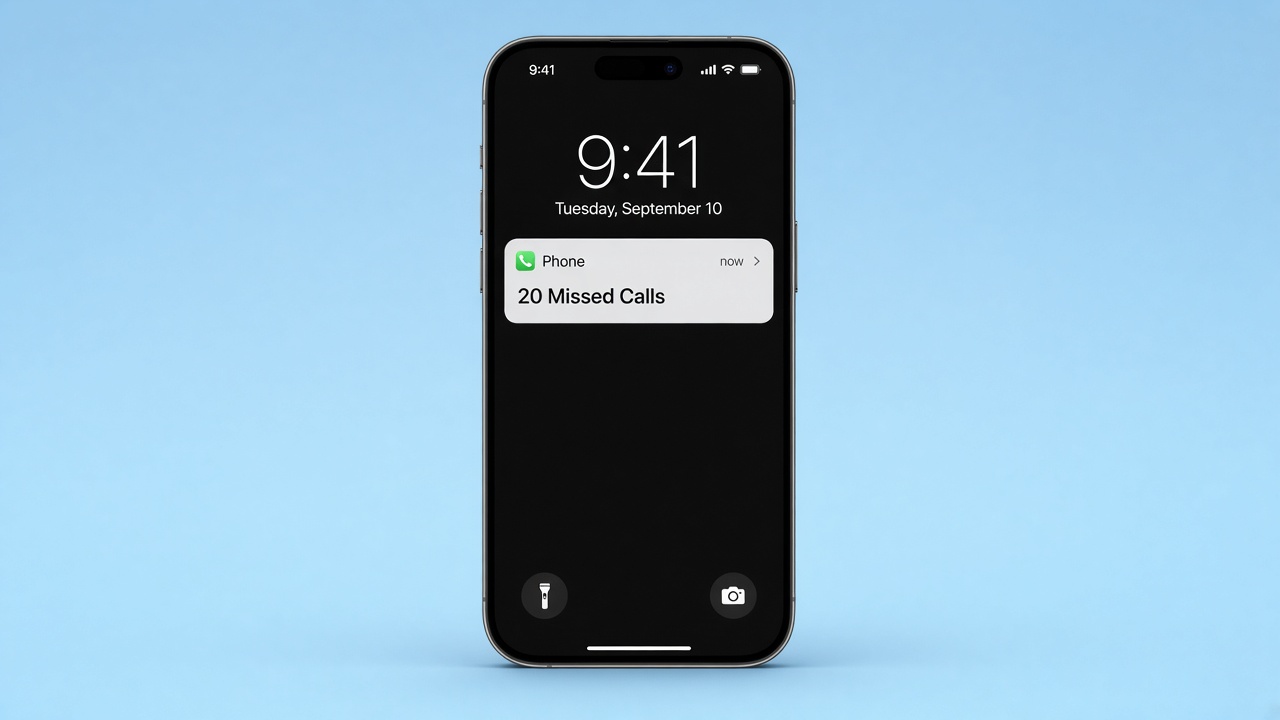
Some agents tell TalkLuna they get up to 30 spam calls a day. See how an AI receptionist filters those calls and still sends real leads to your CRM.
Read more →
TalkLuna has been accepted into Elevate's eCommerce North Tech Accelerator, presented with Moneris. Here is what that Canadian-built association means for small businesses in Canada and across North America.
Read more →
TalkLuna helps Canadian small businesses never miss a call. The Milton Chamber named us a 2026 Entrepreneur of the Year finalist as validation of that work.
Read more →TalkLuna answers when you cannot, qualifies buyer and seller inquiries, and syncs summaries to your CRM.
© 2026 talkluna. All rights reserved. Made for 🇺🇸