A practical North American guide for HVAC contractors choosing call coverage, emergency triage, dispatch workflows, and AI answering service ROI.
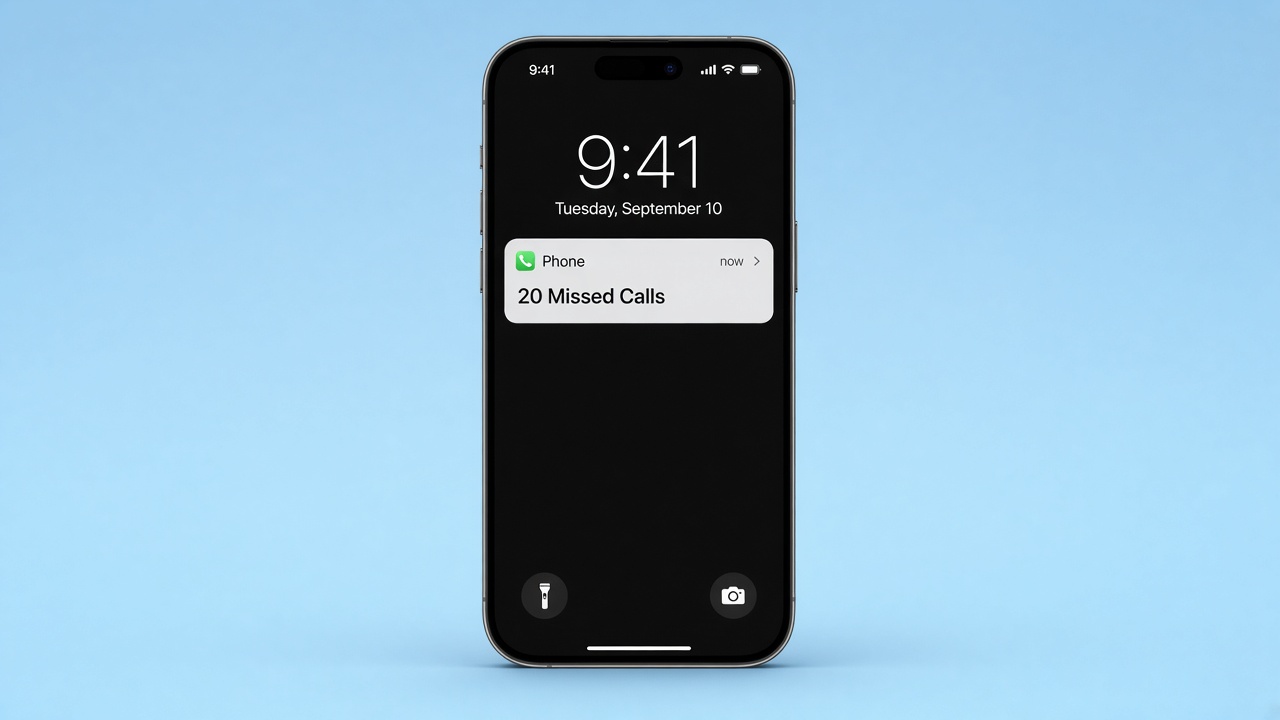
When the first heat wave or cold snap hits, an HVAC company can go from a steady phone day to a wall of no-cool, no-heat, tune-up, estimate, and warranty calls. If the line rings out, the caller usually does not wait for a callback.
An HVAC answering service helps heating and cooling contractors answer calls, classify urgency, book service visits, and route true emergencies when the office is closed, busy, or already on another call. This guide explains how to evaluate AI, live, and hybrid call coverage for HVAC contractors across Canada and the United States.
You will learn:
How an HVAC answering service should handle no-heat, no-cool, gas smell, water leak, maintenance, and estimate calls
How to score vendors using a 100-point HVAC call coverage scorecard
How to estimate missed-call cost without relying on vague revenue claims
How AI receptionists, live answering services, voicemail, and hybrid models compare
How to implement call routing, dispatch rules, and field-service software handoffs safely
An HVAC answering service is a phone coverage system that answers calls for heating, ventilation, air conditioning, and refrigeration businesses when staff cannot pick up. A modern HVAC answering service can be live-agent based, AI-powered, or hybrid.
The best versions do more than take messages. They identify the caller, confirm the service address, ask HVAC-specific intake questions, classify urgency, book appointments, notify the dispatcher, and escalate emergency calls to the on-call technician.
For a heating and cooling company, that means the service should know the difference between a routine spring AC tune-up, a no-heat call with an elderly resident in the home, a no-cool call during dangerous heat, a gas smell or carbon monoxide alarm, a warranty callback, and a commercial refrigeration issue.
If the service only collects a name and phone number, it is not enough for HVAC operations.
HVAC contractors struggle with phone coverage because demand is seasonal, urgent, and operationally complex. A quiet shoulder-season morning can turn into a surge when the weather changes. Dispatchers may already be coordinating technicians, customers may be calling for arrival times, and the owner may be in the field.
The phone problem is not only an after-hours problem. Calls get missed during lunch, technician meetings, estimate blocks, payroll, parts ordering, and peak-season overflow. A single CSR can only handle one conversation at a time. During a heat wave, several high-intent callers may arrive at once.
HVAC calls also require judgment. A good intake process captures system type, symptoms, address, access notes, service area, equipment age, warranty status, customer history, and urgency. A rushed message with missing details creates more work for dispatchers and can send the wrong technician to the wrong job.
A useful benchmark is not a fake promise like answering every call will double revenue. The better benchmark is operational: how many calls are answered, classified correctly, documented completely, and routed to the right next step.
The U.S. Bureau of Labor Statistics projects employment for heating, air conditioning, and refrigeration mechanics and installers to grow 8% from 2024 to 2034, with about 40,100 openings per year on average. In Canada, Statistics Canada classifies HVAC contractors under NAICS 238220, which includes installing and servicing plumbing, heating, and air-conditioning equipment. The U.S. Energy Information Administration reports that space heating and air conditioning made up 52% of U.S. household annual energy consumption in 2020.
Those sources point to the same reality: HVAC is essential, seasonal, and service-heavy. Phone coverage has to match that environment.
Operating pressure | Traditional phone coverage | AI-enabled answering workflow |
|---|---|---|
Weather-driven call spikes | Callers wait, hit voicemail, or get a busy signal | Concurrent calls are answered and sorted by urgency |
After-hours no-heat or no-cool calls | Message is taken for morning callback | Emergency rules decide whether to dispatch, transfer, or book |
Dispatcher workload | CSR repeats intake and manually enters notes | Structured call summary syncs to calendar, CRM, or field-service software |
Service area filtering | Staff manually checks city, ZIP code, postal code, or territory | Caller location is captured and checked before booking |
This table describes operating patterns, not guaranteed outcomes. Each HVAC company should test answer rate, booking rate, and dispatch accuracy with its own call data.
Use this 100-point scorecard before choosing an AI answering service for HVAC, a live answering service, or a hybrid model.
Criterion | Weight | What good looks like |
|---|---|---|
HVAC-specific intake | 15 | Captures system type, symptoms, address, urgency, warranty status, and access notes |
Emergency triage | 20 | Separates life-safety, same-day urgent, next-day, routine, and spam calls using your rules |
Dispatch workflow | 15 | Transfers, texts, retries, or escalates to the right on-call technician with context |
Scheduling accuracy | 15 | Checks real availability and avoids phantom slots, double booking, and wrong job types |
Integrations | 10 | Works with tools such as ServiceTitan, Housecall Pro, Jobber, FieldEdge, calendar, CRM, or automation workflows |
Call records | 10 | Provides transcript, recording, summary, caller details, and result for every call |
Compliance, language, and testing | 15 | Uses clear data practices, supports your market languages, and allows test calls before launch |
A vendor below 70 points is usually only a message-taking service. A vendor above 85 points is more likely to operate like a real extension of the dispatch desk.
The simplest way to evaluate an HVAC phone answering service is to model gross profit at risk, not inflated revenue claims.
Formula: monthly inbound calls x missed or overflow rate x booking conversion rate x average gross profit per booked job = gross profit at risk
Example: 600 inbound calls per month x 15% missed or delayed calls x 35% booking conversion x $220 average gross profit per booked service job = $6,930 gross profit at risk per month.
Example only. Replace the inputs with your own call tracking, booking rate, close rate, and gross profit. This is not a guarantee. For replacement estimates, commercial service, maintenance plans, and emergency work, create separate models because each call type has a different value.
An HVAC answering service should turn phone calls into structured operational records. The output should help dispatchers and technicians act faster.
The service covers after-hours, weekends, holidays, lunch breaks, field time, and overflow. AI receptionists can also answer multiple calls at once, which matters during seasonal spikes.
If your company already uses overflow answering service coverage, HVAC-specific routing rules make that overflow more useful because the call is not treated like a generic message.
The service should classify each call into a small number of action categories: life-safety, emergency dispatch, urgent service, routine scheduling, and non-service. This classification is the core of HVAC emergency dispatch. The goal is not to dispatch every after-hours call. The goal is to dispatch the right calls.
Routine calls should be booked, sent a booking link, or placed into the right follow-up queue. Urgent calls should reach the dispatcher or on-call technician with enough context to act. Field-service platforms such as Housecall Pro and Jobber describe HVAC workflows around scheduling, dispatching, technician assignment, customer updates, and job tracking. An answering service should fit that flow rather than creating a second inbox your team must clean up later.
Every call should produce a record your team can trust: caller name, phone number, service address, city or postal area, system affected, problem summary, urgency classification, appointment time, escalation result, transcript, recording, and timestamp.
TalkLuna's AI receptionist is built around structured call capture so businesses can answer calls, qualify leads, and connect call data to follow-up workflows.
Do not accept a generic receptionist script. HVAC calls need questions about system type, current indoor conditions, safety symptoms, access, service address, equipment age, maintenance plan status, and whether the caller is an existing customer.
Your company should define what counts as an emergency by season, geography, customer type, and safety risk. A no-heat call in Winnipeg in January may be routed differently from a weak-cooling call in Vancouver in May. A no-cool call in Arizona or Texas during a heat advisory may need same-day priority.
Ask whether the service can work with your dispatch board, calendar, CRM, or automation layer. Many HVAC companies use tools such as ServiceTitan, Housecall Pro, Jobber, FieldEdge, Google Calendar, QuickBooks, or a local CRM. The right setup depends on whether you need live booking, job creation, notifications, or simple call summaries.
In Canada, English and French coverage may matter. In many U.S. markets, English and Spanish coverage may matter. The best choice depends on your service area, not a generic language list.
AI should not improvise on safety, pricing exceptions, legal questions, warranties, refunds, or angry-customer escalation. Define when the system transfers, texts, or logs for manager review. For a broader buyer comparison, see TalkLuna's guide to AI receptionist vs answering service.
The right HVAC phone answering service depends on call volume, urgency, budget, software stack, and tolerance for manual follow-up.
Option | Best fit | Watch out for |
|---|---|---|
Voicemail | Very low call volume with low urgency | High-intent callers may not leave a message |
Traditional live answering service | Human message taking and basic after-hours coverage | Per-minute costs, inconsistent HVAC context, and delayed booking can reduce value |
AI answering service for HVAC | 24/7 answering, triage, booking links, summaries, and overflow handling | Requires clear setup rules, testing, and escalation boundaries |
Hybrid AI plus human coverage | Larger teams or premium service brands that want automation with human escalation | More moving parts, so workflow ownership must be clear |
Many HVAC contractors start with an after-hours answering service and then add overflow routing during business hours once they see where calls are being missed.
Caller reports no heat.
The answering service confirms address, current indoor temperature, vulnerable occupants, gas smell, and alternate heat.
If safety risk is mentioned, the caller receives approved safety guidance and the call is escalated according to policy.
If emergency dispatch criteria are met, the on-call technician receives a call or text with the full summary.
The customer receives confirmation of the next step.
Caller reports AC failure.
The service confirms system type, whether the unit is fully down, indoor temperature, vulnerable occupants, and service address.
The service checks availability or sends a booking link.
Same-day slots are prioritized based on your rules.
Non-service-area calls are politely filtered or routed to a referral path if you have one.
Caller asks for a tune-up or seasonal inspection.
The service confirms customer status, system type, preferred time, and contact details.
The service books the appointment or sends a scheduling link.
The call summary flags whether the caller asked about a maintenance agreement.
The CRM or office team receives a clean note for follow-up.
A safe rollout is usually better than a big-bang launch.
Audit call types: Review 50 to 100 recent calls. Tag each as emergency, urgent, routine, estimate, warranty, existing customer, sales, spam, or unsupported area.
Write escalation rules: Define what gets transferred, texted, booked, or held for office review.
Create intake fields: Standardize the fields you need for dispatch and CRM records.
Choose coverage windows: Start with after-hours, overflow, or 24/7 call answering service coverage depending on your biggest gap.
Run test calls: Test no heat, no cool, tune-up, quote, warranty, spam, and out-of-area scenarios.
Review weekly: Check answer rate, booking rate, false emergency escalations, missed escalations, and dispatcher feedback.
If your business is still deciding whether AI belongs in the phone workflow at all, start with TalkLuna's AI receptionist for home services guide.
Use urgency tiers: Emergency, urgent, routine, and non-service categories are easier to manage than dozens of labels.
Write seasonal rules: Summer AC calls and winter furnace calls should not use identical routing logic in every market.
Define service areas clearly: Use cities, neighborhoods, ZIP codes, postal codes, counties, provinces, states, or radius rules.
Separate revenue from gross profit: ROI decisions should be based on contribution margin, not top-line ticket value alone.
Train the service on what not to say: Pricing promises, warranty judgments, and safety advice need strict approved language.
Review recordings: A short weekly review prevents small script problems from becoming operational habits.
Treating HVAC like generic appointment booking: Heating and cooling calls often include safety, weather, and dispatch complexity.
Dispatching every after-hours caller: This burns out technicians and teaches customers that any routine request gets emergency treatment.
Ignoring existing customers: A maintenance-plan customer, warranty callback, or install follow-up may deserve different routing than a new lead.
Skipping integration planning: If call summaries do not reach the tool your team uses, staff will still do manual cleanup.
Using unsupported statistics in ROI math: Use your own call logs, gross profit, booking rate, and missed-call data whenever possible.
HVAC answering is moving from message taking to real-time call operations. Field-service teams already rely on dispatch boards, customer records, automated reminders, GPS updates, and job histories. Phone calls are becoming another structured input to those systems.
The next stage is tighter routing: AI receptionists that understand caller intent, gather the right data, and pass clean information to dispatchers without replacing human judgment. The winning systems will be boring in the best way: predictable, tested, auditable, and easy for technicians to trust.
An HVAC answering service should help contractors protect the moments when callers are most likely to need help: after hours, during weather spikes, when the dispatcher is overloaded, or when a technician cannot pick up.
TalkLuna is a Canadian-built Voice AI platform serving businesses across Canada and the United States. For HVAC and home service teams, TalkLuna helps answer calls, qualify leads, route urgent requests, capture caller information, and connect call data with the tools your team already uses.
If your current phone process depends on voicemail, callback discipline, or one overloaded CSR, start by measuring what happens to calls you do not answer. The right answering service should make those gaps visible, then help close them.
An HVAC answering service should handle inbound calls, urgency triage, appointment booking, emergency routing, message capture, and call summaries for heating and cooling contractors. At minimum, it should collect caller details, service address, system type, symptoms, urgency, and the requested next step.
An AI answering service can support HVAC emergency calls when it follows clear escalation rules and avoids unsupported safety judgments. The safest setup uses approved scripts, defined triggers, human fallback, and call review for issues such as gas smell, carbon monoxide alarms, no heat, no cooling, and vulnerable occupants.
HVAC answering service pricing usually depends on whether coverage is AI, live-agent, or hybrid, plus call volume, minutes, integrations, and after-hours requirements. Contractors should compare cost against gross profit recovered from answered calls, not against revenue claims from generic calculators.
An HVAC answering service is focused on call coverage, triage, booking, and dispatch workflows for heating and cooling calls. A virtual receptionist may provide broader front-desk support, but it is only useful for HVAC if it understands emergency rules, service areas, dispatch handoffs, and field-service software workflows.
An HVAC answering service can often connect with ServiceTitan, Housecall Pro, Jobber, FieldEdge, calendars, CRMs, or automation tools, but integration depth varies. Ask whether the service can book live, create jobs, send summaries, update customer records, or only email a message.
HVAC contractors should choose AI, live agents, or hybrid answering based on call volume, urgency, budget, and workflow complexity. AI often fits 24/7 answering and overflow, live agents may fit high-touch escalation, and hybrid models work well when routine calls can be automated while sensitive calls go to people.
BLS National Employment Matrix for HVACR mechanics and installers
Statistics Canada: NAICS 238220 Plumbing, heating and air-conditioning contractors
U.S. Energy Information Administration: Use of energy in homes
Some agents tell TalkLuna they get up to 30 spam calls a day. See how an AI receptionist filters those calls and still sends real leads to your CRM.
Read more →
TalkLuna has been accepted into Elevate's eCommerce North Tech Accelerator, presented with Moneris. Here is what that Canadian-built association means for small businesses in Canada and across North America.
Read more →
TalkLuna helps Canadian small businesses never miss a call. The Milton Chamber named us a 2026 Entrepreneur of the Year finalist as validation of that work.
Read more →TalkLuna answers when you cannot, qualifies buyer and seller inquiries, and syncs summaries to your CRM.
© 2026 talkluna. All rights reserved. Made for 🇺🇸