A practical guide for landlords and small property managers comparing AI receptionists, answering services, and voicemail for tenant calls, maintenance triage, and rental inquiries.
A tenant calls at 10:46 p.m. because water is dripping from the ceiling. A renter calls Saturday morning about your vacant unit. A contractor calls while you are at work asking for access instructions.
An AI receptionist for landlords gives rental-property owners and small property managers a reliable first response for these calls without hiring a full-time receptionist or living by the phone. This guide explains where AI call answering fits, what it should handle, what it should escalate, and how to decide whether it is worth the cost.
You will learn how landlord call answering works, which tenant and rental inquiries are safe to automate, how AI receptionists compare with live answering services and voicemail, how to model missed-call impact, and how to launch 24/7 coverage without losing human control.
An AI receptionist for landlords is a voice AI system that answers tenant, prospect, owner, and vendor calls, asks structured intake questions, routes urgent issues, and sends call summaries to the landlord or property management workflow.
Unlike voicemail, an AI receptionist has a conversation. It can ask for the property address, unit number, maintenance issue, urgency, callback number, viewing availability, pet details, move-in date, and other fields you define. Unlike a traditional IVR menu, the caller does not need to press buttons or guess which option fits.
For a landlord with one to 50 doors, this can act as an always-on front desk. For a small property management company, it can sit in front of existing staff as overflow and after-hours coverage. For larger portfolios, it may connect with property management software, CRM tools, calendars, SMS alerts, and on-call routing.
If you manage a larger portfolio, also read TalkLuna's broader guide to answering service for property management and the property-management-specific article on AI receptionist for property management.
Landlords struggle with tenant calls because rental operations run 24/7 while most owners and small teams are staffed like a part-time office. Tenants report leaks after dinner. Prospects search listings on weekends. Vendors need access details during the day. Existing residents ask about rent, parking, lockouts, notices, lease renewals, and maintenance status.
The market context matters. The U.S. Census Bureau reported that renter-occupied units paying cash rent increased from 41.0 million in 2014 to 2018 estimates to 42.4 million in 2019 to 2023 estimates, while total rented units rose from 43.3 million to 44.6 million. Statistics Canada defines tenure as whether a household owns or rents its dwelling. CMHC reported Canada's purpose-built rental vacancy rate rose to 2.2% in 2024, still below its 10-year historical average of 2.7%.
Good tenants often have options, and small landlords are competing against professionally managed properties with leasing teams, portals, and fast response systems. That does not mean every landlord needs enterprise software. It means the first response needs to be reliable.
The benchmark for landlord call coverage is simple: every call should get a fast answer, every routine issue should become a clean record, and every true emergency should reach the right human without delay.
For small landlords, the operational goal is not to automate judgment. The goal is to stop using memory, voicemail, and scattered text messages as the first layer of property operations.
Call type | Traditional landlord approach | AI-enabled approach |
|---|---|---|
Rental inquiry | Missed call, voicemail, or delayed text reply | Answers immediately and captures move-in date, budget, pets, occupants, and viewing availability |
Routine maintenance | Tenant leaves a vague message | Collects address, unit, issue, access notes, callback number, and urgency |
Emergency maintenance | Tenant tries multiple numbers | Applies your escalation rules and alerts the on-call person or vendor |
Rent or lease question | Landlord answers manually when available | Answers approved FAQs or routes sensitive account questions to the landlord |
Vendor call | Callback required to clarify property details | Captures vendor name, job, ETA, access issue, and required decision |
The useful standard is not whether AI can handle everything. It cannot and should not. The useful standard is whether it can turn unstructured calls into clear next actions.
Use this scorecard before choosing any AI receptionist, virtual receptionist, or answering service for rental properties. Score each item from 0 to 2. A score below 12 means you probably need more setup. A score from 12 to 16 is workable for basic coverage. A score above 16 suggests you are ready for deeper automation.
Call intent detection: Can the system distinguish leasing, maintenance, emergency, rent, vendor, owner, and complaint calls?
Emergency rules: Can you define exactly what counts as urgent for your properties, climate, building type, and local obligations?
Human handoff: Can true emergencies reach a real person by live transfer, SMS, email, or escalation chain?
Property-specific knowledge: Can the AI use different instructions for each unit, building, city, or property manager?
Structured summaries: Does every call produce a useful summary with caller, property, unit, issue, urgency, and next step?
Leasing qualification: Can it ask objective rental questions such as desired move-in date, unit type, pets, budget range, and viewing availability?
Compliance guardrails: Can you restrict what the AI says about screening, protected classes, fees, deposits, or legal matters?
CRM or PMS integration: Can it connect call data to your spreadsheet, inbox, CRM, calendar, or property management software?
Bilingual or multilingual coverage: Can it support callers in the languages your tenants and applicants use?
Audit trail: Can you review recordings, transcripts, timestamps, and escalation history after a dispute or emergency?
A landlord call answering ROI model should estimate avoided vacancy, avoided emergency delay, and saved administrative time. Use conservative assumptions because the goal is a decision model, not a promise.
Formula: missed rental inquiries per month x inquiry-to-qualified-showing rate x average vacancy cost per day x days saved = estimated leasing impact
Missed rental inquiries per month: 8
Percent that would become qualified showings: 25%
Average vacancy cost per day: $60
Days saved by faster response: 7
Estimated leasing impact: 8 x 25% x $60 x 7 = $840 per month
For maintenance, use a separate risk model: after-hours urgent incidents per year x probability of delay x avoidable damage or overtime cost = estimated risk exposure. These are examples, not guarantees. Replace the inputs with your own rent, vacancy, inquiry volume, contractor rates, and emergency history.
The Insurance Information Institute reports that water damage and freezing is a major homeowners insurance loss category and lists average claim severity for water damage and freezing, which is why fast escalation matters even if most maintenance calls are routine.
An AI receptionist for landlords answers calls, gathers facts, applies rules, and hands off the next step. It should not make legal, financial, safety, or tenant-screening judgments that belong to you, your property manager, or your lawyer.
Maintenance intake is one of the strongest use cases because tenants often call with incomplete information. The AI can ask what property and unit the call is about, what is happening, when it started, whether there is active water, smoke, gas smell, no heat, no electricity, or a security issue, whether maintenance may enter, and what callback number to use.
For true emergencies, the AI should follow your escalation rules. For routine issues, it should create a clean summary for next-business-day follow-up. For deeper maintenance workflow design, read TalkLuna's guide to AI emergency maintenance triage.
Rental inquiries are another strong fit. Many landlords lose leads because prospects call outside office hours, during work, or while the landlord is already showing another unit. An AI receptionist can ask objective intake questions about the listing, move-in date, occupants, pets, viewing availability, and preferred contact method.
Do not use AI to make unsupported screening decisions or discuss protected-class topics. Use it to collect consistent information and route the applicant to your approved process. For deeper leasing workflows, see TalkLuna's AI leasing assistant guide and tenant inquiry automation guide.
Vendor calls can be simple but disruptive. A plumber may need access. A cleaner may be delayed. A contractor may be asking whether a change order is approved. The AI can collect the vendor name, company, job address, ETA, access issue, and decision needed. It can route only urgent access problems to the landlord and leave routine updates for later review.
The best AI receptionist for landlords is not the one with the longest feature list. It is the one that matches your operating rules.
Emergency escalation should be configured before launch. Define what gets escalated immediately, what waits until morning, and who receives the alert. Examples often include active flooding, fire, gas smell, unsafe no-heat conditions, no running water, electrical hazards, major security issues, and lockouts based on your policy. Local laws and lease obligations vary across U.S. states, Canadian provinces, and municipalities, so use local professional advice for legal requirements.
The AI should answer only from approved information: rent due process, office hours, parking rules, pet process, maintenance request steps, showing instructions, application process, and emergency definitions. The FTC warns businesses not to mislead people about automated tools or the nature of an AI interaction, so a landlord-facing AI should be clear, accurate, and constrained.
Not every landlord needs AppFolio, Buildium, Yardi, or a full property management system. Many small landlords start with email, SMS, calendar, spreadsheets, or a lightweight CRM. If you already use property management software, review TalkLuna's property management CRM integration guide.
If you need general 24/7 coverage, compare TalkLuna's AI receptionist, 24/7 call answering service, and after-hours answering service options.
A landlord AI receptionist should escalate sensitive calls. Examples include eviction threats, discrimination allegations, domestic safety concerns, repeated harassment complaints, legal notices, payment disputes, and anything involving law enforcement. NIST's AI Risk Management Framework recommends managing AI risks across governance, mapping, measurement, and management. For landlords, that translates into clear scripts, escalation rules, call reviews, data access limits, and regular testing.
The right call coverage model depends on unit count, call volume, budget, and risk tolerance.
Option | Best fit | Strength | Watch out for |
|---|---|---|---|
Self-answering | Very small portfolios with low call volume | Personal control and no software cost | Interruptions, missed calls, no audit trail, burnout |
Voicemail | Low-risk backup only | Free and simple | Callers may leave poor details or skip voicemail entirely |
Live answering service | Landlords who want human empathy on every call | Human tone and flexible judgment | Per-minute costs, inconsistent property knowledge, manual data entry |
AI receptionist | Landlords and small PMs needing 24/7 structured intake | Always available, consistent questions, scalable summaries | Needs setup, testing, and human escalation for sensitive calls |
Hybrid AI plus human | Growing portfolios with higher complexity | AI handles routine calls while humans handle edge cases | Requires clear routing design and vendor accountability |
For most small portfolios, AI works best as the first-response layer. Humans still handle judgment, relationship management, legal decisions, and complex tenant conversations.
Good AI call handling starts with workflows, not prompts. Use these practical patterns as a starting point.
AI answers and confirms caller name, callback number, property, and unit.
AI asks whether water is active, where it is coming from, and whether there is electrical risk.
If active water or safety risk is present, AI escalates to the on-call person or vendor.
AI sends the landlord a summary with transcript, timestamp, issue, and escalation result.
AI confirms the next step without promising a repair time you cannot guarantee.
AI confirms which listing or unit the prospect is calling about.
AI answers approved questions about availability, basic criteria, showing process, and next steps.
AI captures move-in date, contact details, pet status, and viewing availability.
AI books a showing or sends the lead to the landlord for review.
AI logs the inquiry in your CRM, spreadsheet, inbox, or calendar workflow.
A landlord can set up AI call answering without rebuilding the whole business. Start narrow and expand only after testing.
Days 1 to 7: List your common calls from the last 60 to 90 days and group them by leasing, maintenance, emergency, rent, lease, vendor, complaint, owner, and other.
Days 8 to 14: Write your approved answer library, including property addresses, showing process, emergency criteria, parking rules, rent-payment instructions, and escalation contacts.
Days 15 to 21: Place test calls for leaks, lockouts, no heat, showing requests, rent questions, vendor updates, and neighbor complaints. Review transcripts and fix gaps.
Days 22 to 30: Launch overflow or after-hours coverage first. Track answered calls, escalations, qualified rental inquiries, routine maintenance summaries, and tenant feedback.
Disclose the interaction clearly: Callers should understand they are speaking with an AI receptionist or automated assistant.
Use objective intake questions: Ask about facts, not protected characteristics or subjective fit.
Keep emergency rules specific: Vague rules create false escalations and missed urgent issues.
Review calls weekly at first: Listen for bad answers, missed handoffs, and confusing tenant language.
Update property data often: Availability, rent, deposits, showing windows, parking rules, and vendor contacts change.
Protect tenant data: Limit who receives call summaries and store recordings only where appropriate.
Measure outcomes: Track answer rate, escalation rate, rental inquiry capture, maintenance completeness, and time saved.
Automating legal judgment: Do not let AI decide eviction, discrimination, habitability, lease enforcement, or screening issues.
Using one script for every property: A duplex, student rental, condo, and small apartment building may need different rules.
Escalating everything: If every dripping faucet wakes the landlord at midnight, the system will not last.
Escalating too little: If active flooding becomes a morning task, the setup is unsafe.
Skipping transcript review: Early review is how you catch policy gaps before they become tenant problems.
Making unsupported ROI claims: Track your own before-and-after data instead of relying on generic savings promises.
Landlord call answering is moving from message-taking to workflow automation. The next step is not just answering the phone. It is connecting the call to the right record, repair process, showing calendar, and follow-up sequence.
AppFolio's renter research points toward 24/7 self-service and AI-assisted resident communication becoming normal expectations in property management. Zego's resident experience research also shows that retention pressure is tied to maintenance, communication, and service experience. For small landlords, this does not mean buying an enterprise platform on day one. It means professionalizing the first response before the portfolio becomes too busy to manage manually.
An AI receptionist for landlords is most useful when it does three things well: answers every call, collects structured information, and escalates only the calls that truly need human judgment.
TalkLuna is a Canadian-built Voice AI platform serving businesses across Canada and the United States. For landlords and property managers, TalkLuna helps answer tenant and prospect calls, qualify rental inquiries, route urgent issues, and connect call summaries with the workflows your team already uses.
If your rental phone still depends on voicemail, personal availability, or scattered texts, start by mapping your top 20 call scenarios. That exercise alone will show where AI call answering can help and where a human should stay in control.
The best AI receptionist for landlords is the one that follows your property rules, captures structured tenant and prospect information, and escalates emergencies to a human without delay. Look for emergency routing, property-specific scripts, call summaries, transcript review, and integration with your calendar, inbox, CRM, or property management software.
Yes, an AI receptionist can handle tenant maintenance calls by collecting the property, unit, issue, urgency, access instructions, and callback details. It should escalate true emergencies such as active flooding, gas smell, fire, unsafe no-heat conditions, or major security issues based on your rules.
An AI receptionist is often better for landlords who need consistent intake, 24/7 coverage, lower marginal call costs, and clean summaries. A live answering service may be better for emotionally complex conversations, legal-sensitive calls, or owners who want a human on every interaction. Many landlords use a hybrid model.
AI receptionist pricing usually depends on call volume, minutes, integrations, number of properties, and setup complexity. Compare the monthly fee against missed rental inquiries, vacancy days, after-hours interruptions, and the administrative time spent turning calls into usable records.
Landlords should be careful using AI for tenant screening because rental laws, fair housing rules, and human rights obligations vary across U.S. states, Canadian provinces, and municipalities. A safer use is objective intake: collect application details, route the applicant to your approved process, and keep human review for screening decisions.
Yes, an AI receptionist can work for small landlords with fewer than 10 units if missed calls, after-hours interruptions, or rental inquiries are already creating stress or lost opportunities. If call volume is very low, start with after-hours or overflow coverage rather than routing every call immediately.
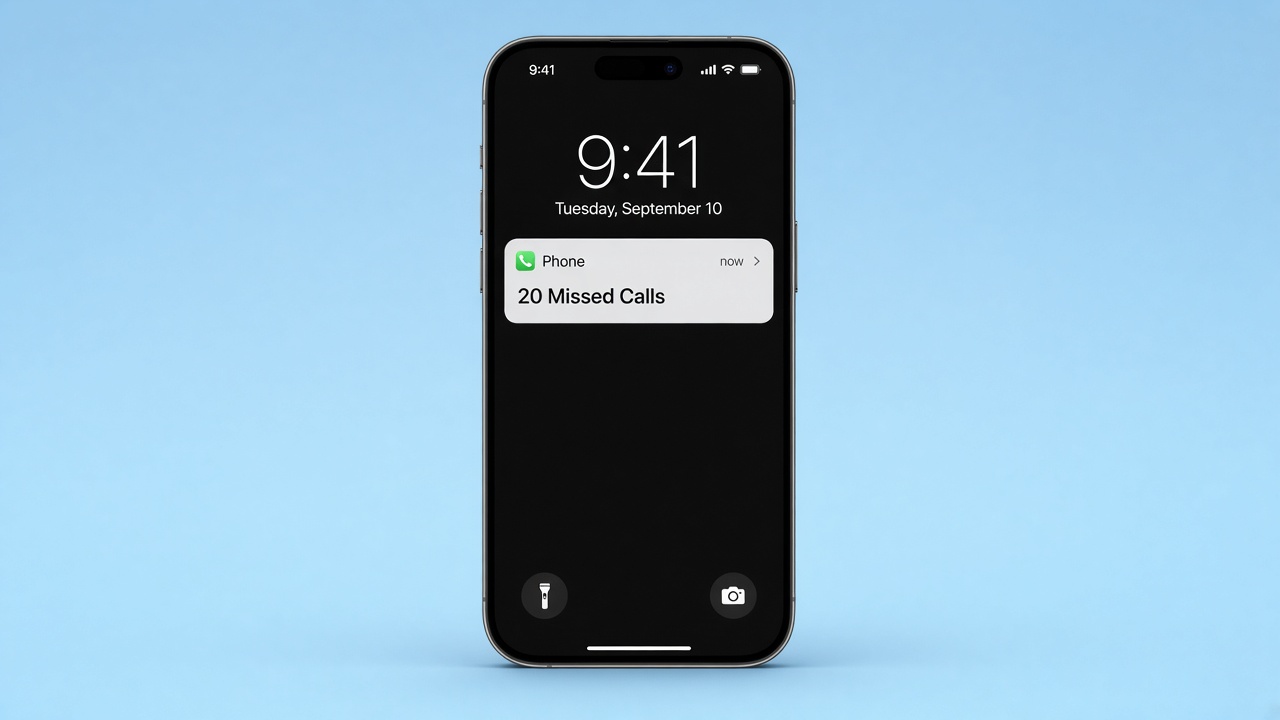
Some agents tell TalkLuna they get up to 30 spam calls a day. See how an AI receptionist filters those calls and still sends real leads to your CRM.
Read more →
TalkLuna has been accepted into Elevate's eCommerce North Tech Accelerator, presented with Moneris. Here is what that Canadian-built association means for small businesses in Canada and across North America.
Read more →
TalkLuna helps Canadian small businesses never miss a call. The Milton Chamber named us a 2026 Entrepreneur of the Year finalist as validation of that work.
Read more →TalkLuna answers when you cannot, qualifies buyer and seller inquiries, and syncs summaries to your CRM.
© 2026 talkluna. All rights reserved. Made for 🇺🇸